


The Open Lecture Hall at the National Centre RUSSIA brings together leading international experts in neuroscience, psychology and artificial intelligence
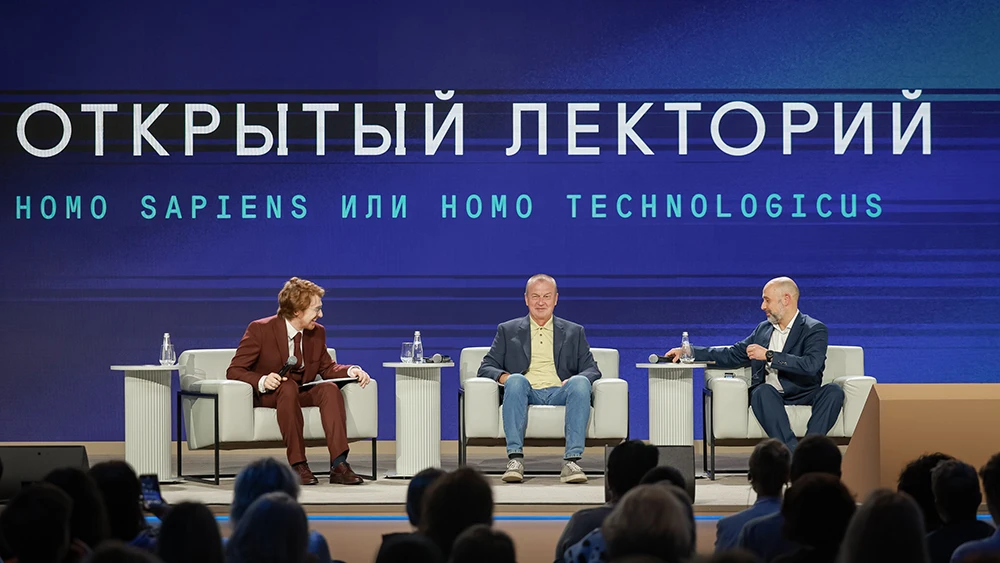
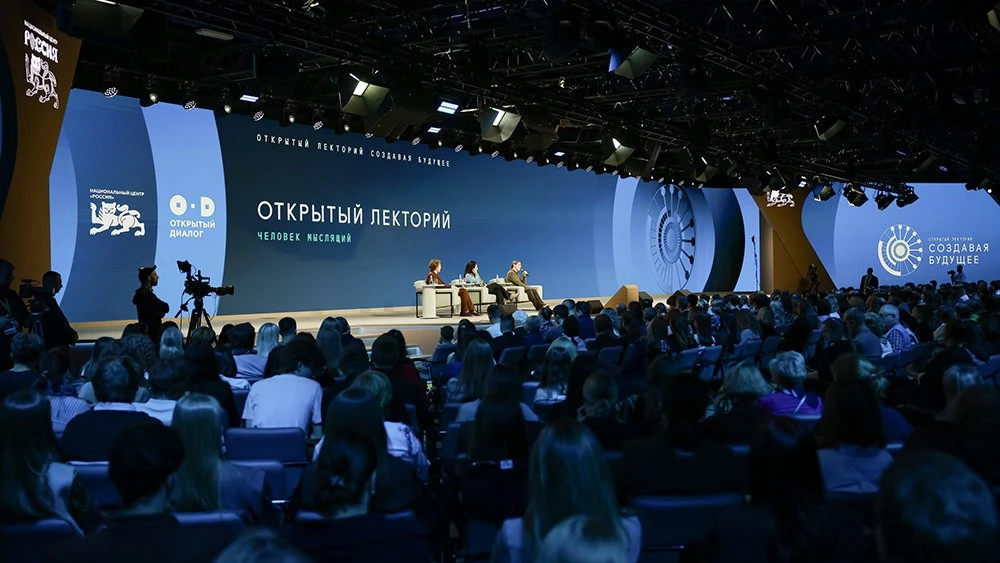
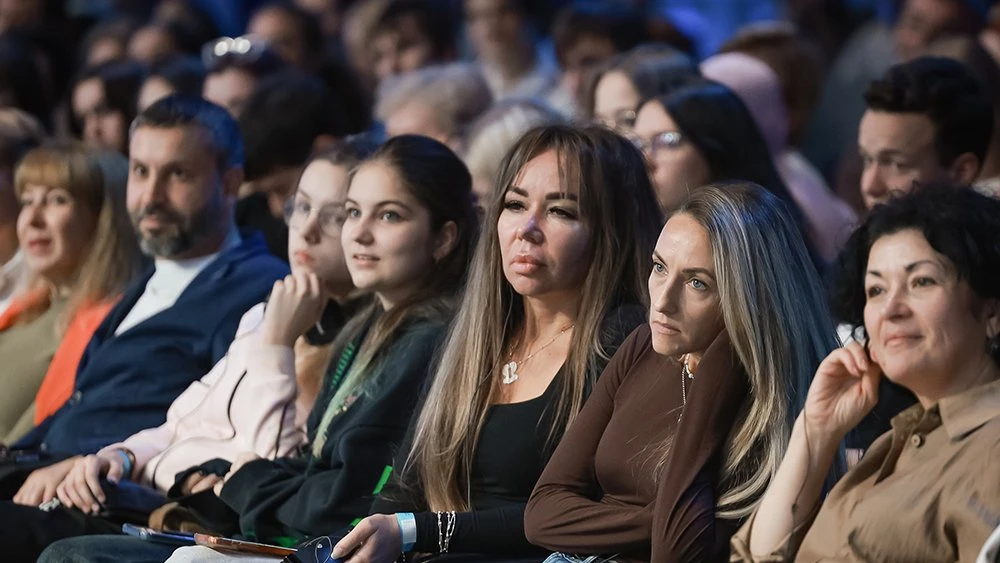
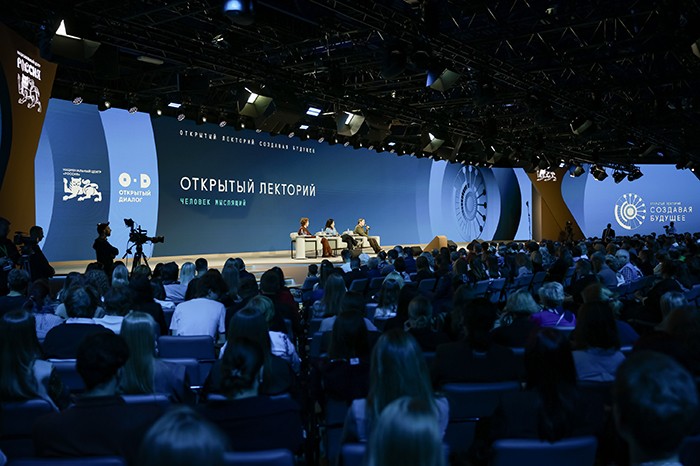
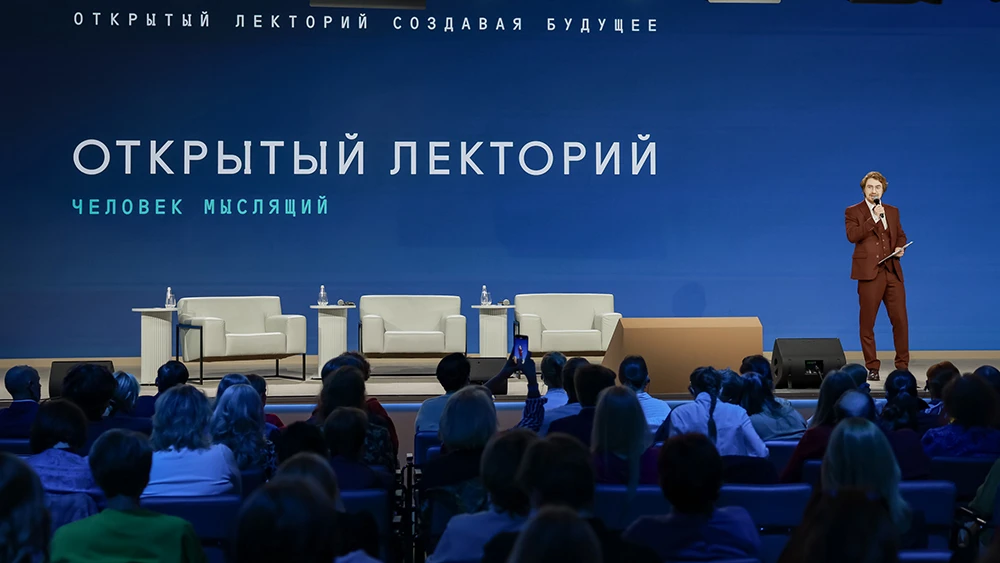
Artificial intelligence can expand human capabilities, neurointerfaces can restore movement and vision, and the digital environment can provide access to knowledge. But new opportunities also raise questions about critical thinking, emotional well-being and the ethical boundaries of intervention in the brain. More than 700 guests came to the National Centre RUSSIA on 26 September to hear Russian and international scientists address these issues as part of the Open Lecture Hall "Inventing the Future: Limits of the Human".
The first session, "The Thinking Human", was opened by physician, neuroscientist and lecturer at the N.P. Bekhtereva Educational Centre Vladimir Alipov. He explained how the brain and culture have evolved together over the past two and a half million years and why AI should be regarded as a new stage in the development of human culture. According to the expert, the key condition for interacting with technology is the ability to adapt, maintain concentration and make decisions independently.
"The question of why the human brain increased in size so rapidly has occupied researchers for more than a century <…> The prevailing view today is that the brain evolved alongside culture: at some point, the culture created by humans themselves began to influence their development more strongly than biological factors and the external environment," explained Vladimir Alipov.
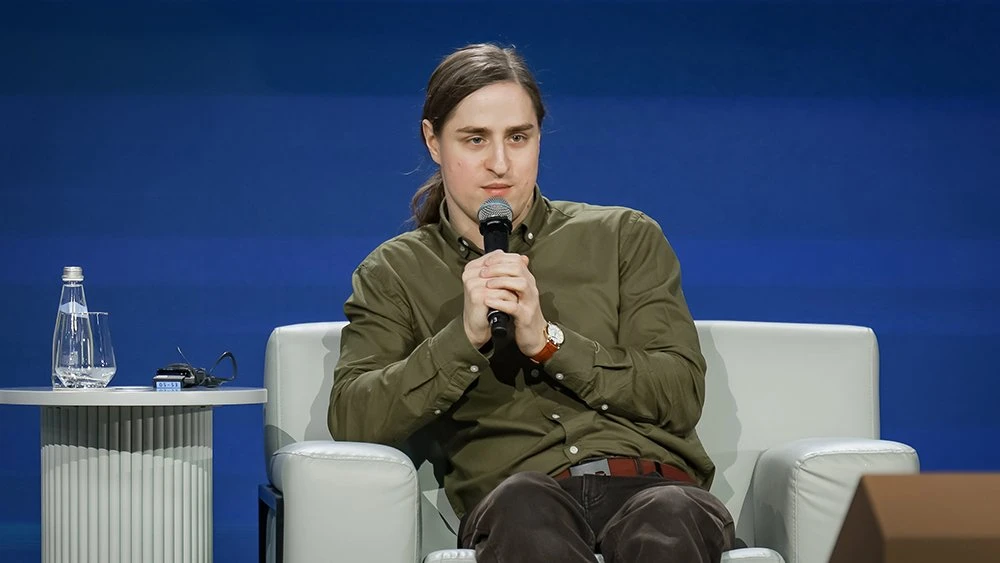
Thinking allows people to compare past experience, desires and capabilities in order to imagine future scenarios and choose what to do next. This was discussed by Suzana Herculano-Houzel, Associate Professor in the Department of Psychology at Vanderbilt University in the United States.
"Throughout human evolution, the brain increased in size, and the number of neurons grew with it. Today, the human cerebral cortex contains around 16 billion neurons — significantly more than the five billion found in gorillas or the 2.4 billion in whales. This became possible to a large extent thanks to the technology of cooking: our ancestors learned to process food in advance, obtaining more energy in less time," said Suzana Herculano-Houzel.
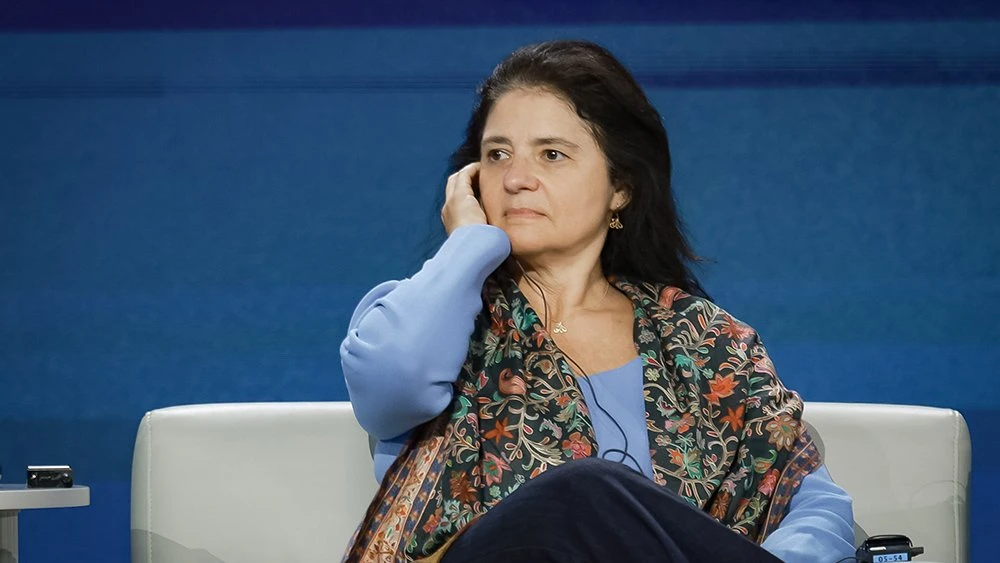
During the session "The Creative Human", Associate Professor at the University of Malaya Amirrudin Kamsin from Malaysia and psychologist Anetta Orlova discussed the impact of the digital environment on anxiety and emotional well-being. The experts noted the importance of paying attention to signals from the body, building relationships with loved ones and consciously managing one's presence in the digital environment.
"Digital anxiety does not arise only from what people say or do online, but also from the communication environment itself. Interfaces are not neutral: feeds, notifications, recommendations and engagement metrics constantly direct our attention, intensify emotional involvement and can create a sense of uncertainty," noted Amirrudin Kamsin.
Psychologist Anetta Orlova explained why it is so important for people to maintain connections with those around them, notice the good and actively build relationships based on support and involvement: "The most important thing is the support of the people around us. We need to create social connections: the kinder we are to people, the more often we are ready to reach out and be there for them, the more strongly we feel that we are not alone. Gratitude is the only way to achieve well-being. When people know how to be grateful, they are able to see the good, notice care and give others smiles, joy and support themselves."
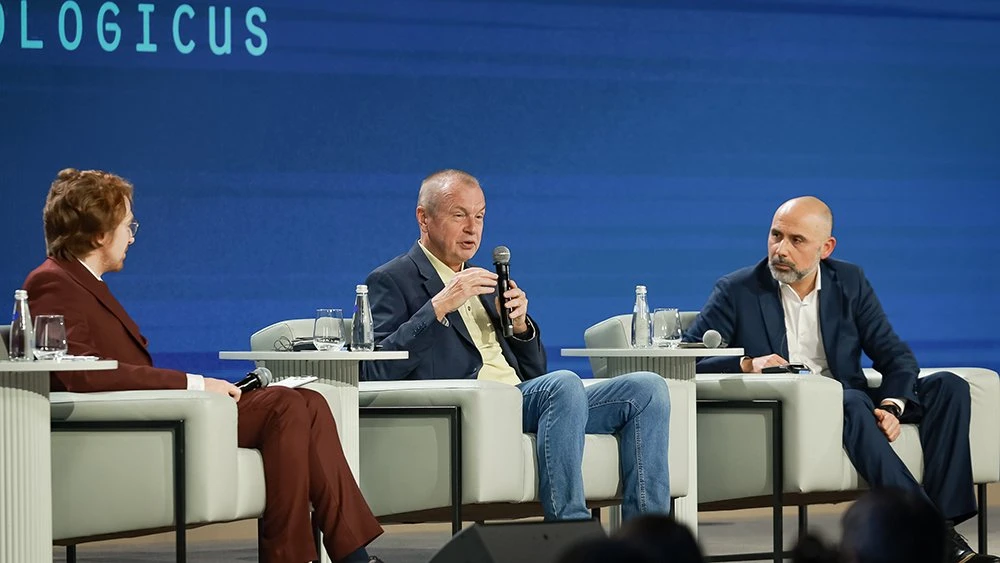
The final session, "Homo Sapiens or Homo Technologicus", focused on neurointerfaces, cyborgisation, neurorights and the limits of technological "enhancement" of humans.
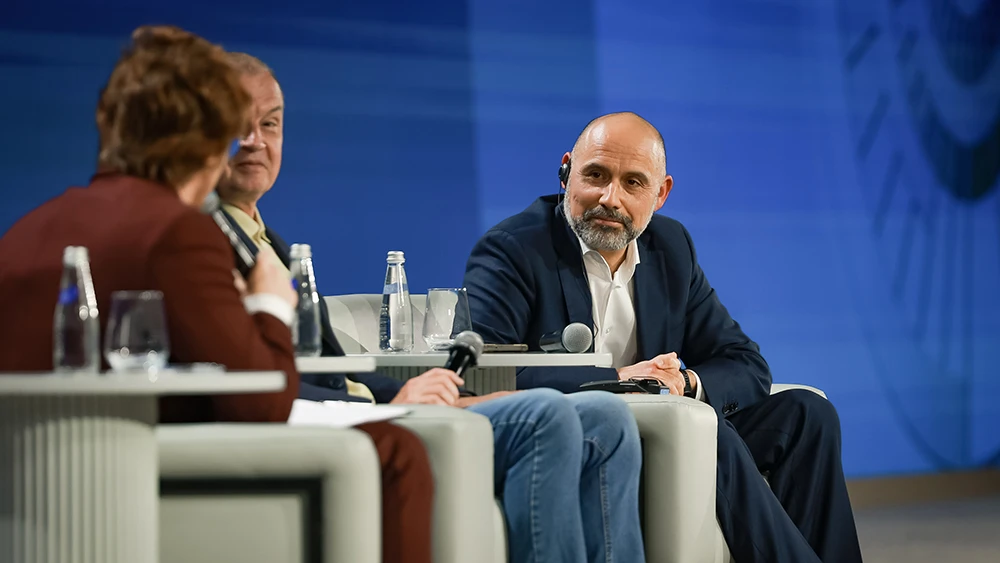
Professor at the University of Chile Romulo Fuentes Flores spoke about technologies that help restore lost functions, while Mikhail Lebedev, Professor at Lomonosov Moscow State University and Head of the Neurotechnology Laboratory at the Sechenov Institute of Evolutionary Physiology and Biochemistry of the Russian Academy of Sciences, outlined the prospects for sensory neurointerfaces and stressed the need for their ethical regulation.
"Speaking about the title of our session, we already are Homo Technologicus — a species that depends to a large extent on modern technology. Neurotechnology can be divided into two areas: we can read electrical signals from brain activity and we can provide feedback to the brain through electrical stimulation. Modern technologies and tools make it possible to achieve a great deal: there are devices that enable people who have lost the ability to walk to do so again — exoskeletons and other medical devices," noted Romulo Fuentes Flores.
Electrical stimulation of the brain already makes it possible to transmit signals between animals and influence their behaviour. As an example, Mikhail Lebedev cited an experiment in which a rat with an implant learned to navigate using infrared light.
"We are entering the age of artificial intelligence: it can already act as an intermediary between the outside world and the brain. However, boundless optimism is inappropriate here — neurotechnology must be approached with great caution. If we are capable of suppressing severe depression through electrical stimulation, we must simultaneously ask ourselves about the ethical basis for such intervention. It is already important to understand what consequences these technologies may have and how their development should be regulated so that it benefits people," the speaker said.
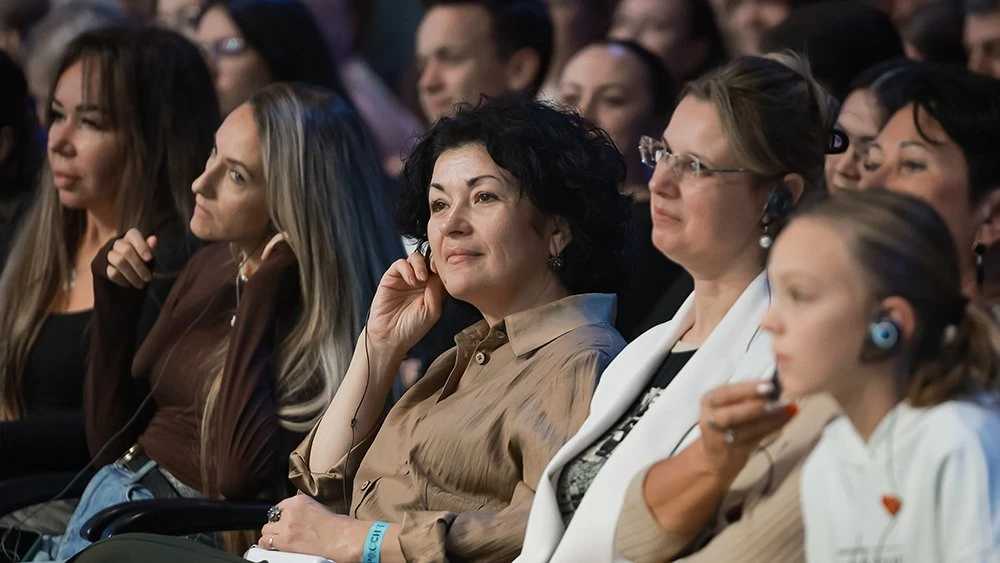
Guests at the Open Lecture Hall not only listened to the experts but also took part in the discussion about technology and humanity. After the speakers shared their visions of tomorrow, the audience was invited to vote for the future scenario that resonated with them most. According to the results, the presentations that received the strongest audience support were those by Suzana Herculano-Houzel, who spoke about thinking and how to preserve the ability to think independently in the age of artificial intelligence; Romulo Fuentes Flores, who presented neurotechnology as a natural continuation of human evolution; and Anetta Orlova, who drew the audience's attention to the importance of staying connected with one's own body and relying on loved ones in a rapidly changing world.
"Artificial intelligence is developing incredibly rapidly today, and it is important for us to adapt to these changes. Meetings like this are essential so that we do not get lost in the vast flow of rapidly developing technologies and can better understand this remarkable phenomenon — artificial intelligence," noted Yevgenia Larina, an Open Lecture Hall attendee and first-year student at the Higher School of Innovation Management at Lomonosov Moscow State University.
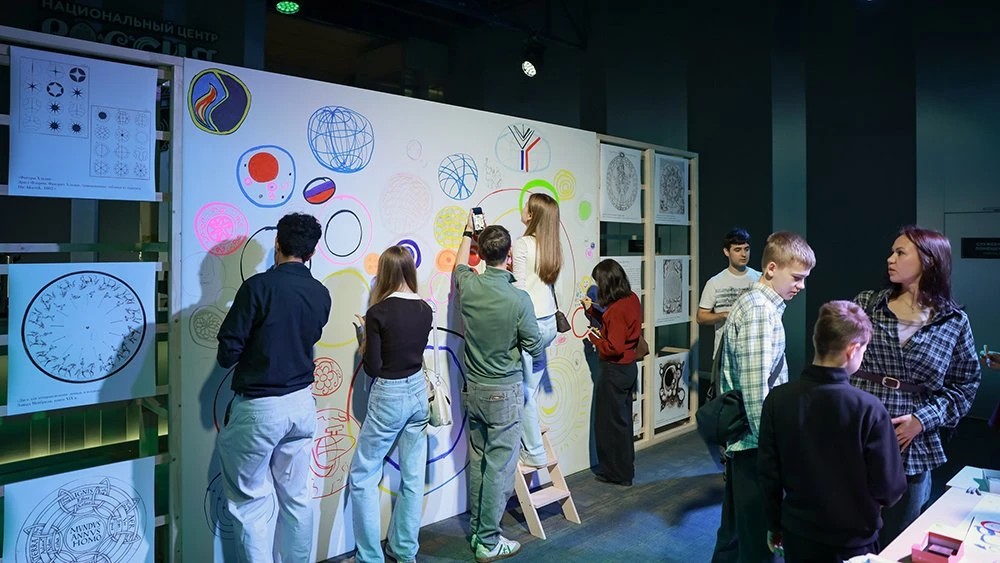
Throughout the day, the interactive installation "Once Upon a Time, Giotto..." was open in the business area. Guests could add their own circle to a shared canvas — one of the oldest and most universal forms, which people have used for centuries to understand the world and themselves. An exposition beside the canvas brought together different manifestations of this form, from a bronze disc depicting the starry sky to Leonardo da Vinci's "Vitruvian Man" and Wassily Kandinsky's "Several Circles". By the end of the day, the participants' individual lines had come together in a single collaborative composition.
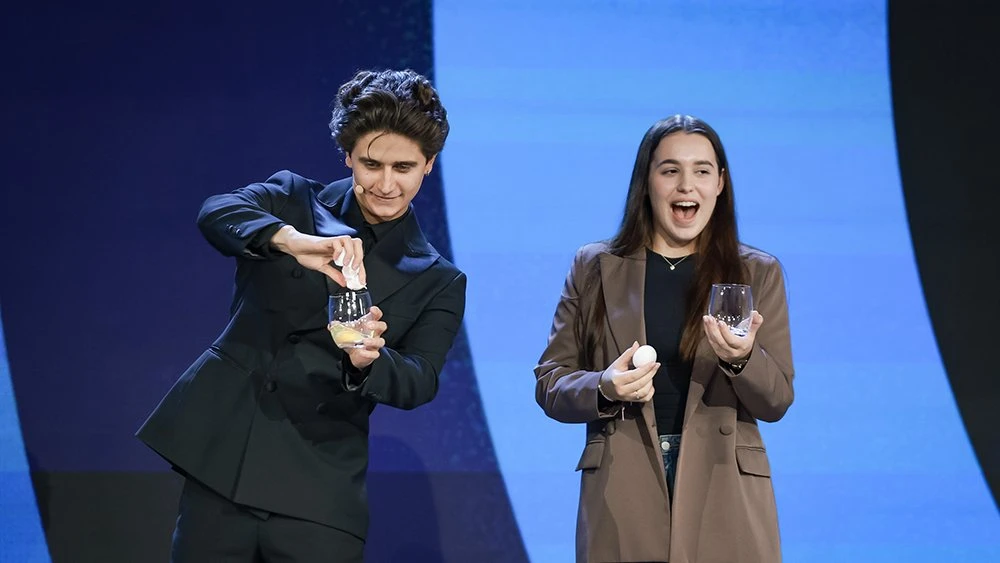
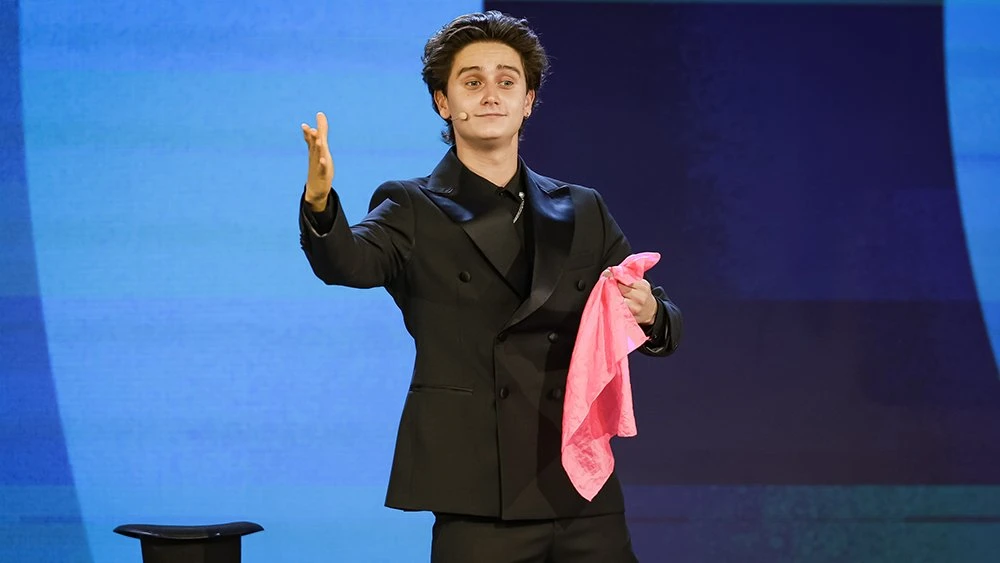
The Open Lecture Hall "Inventing the Future" is an original project of the National Centre RUSSIA that brings together Russian and international experts, scientists and futurists to discuss positive scenarios for the future. The September programme was devoted to the theme "Limits of the Human" and to exploring how humanity can be preserved amid rapid technological change. The Open Lecture Hall concluded with the interactive illusionist show "Miracle!", which continued the discussion about the limits of perception and the human capacity for wonder.
Event photobank

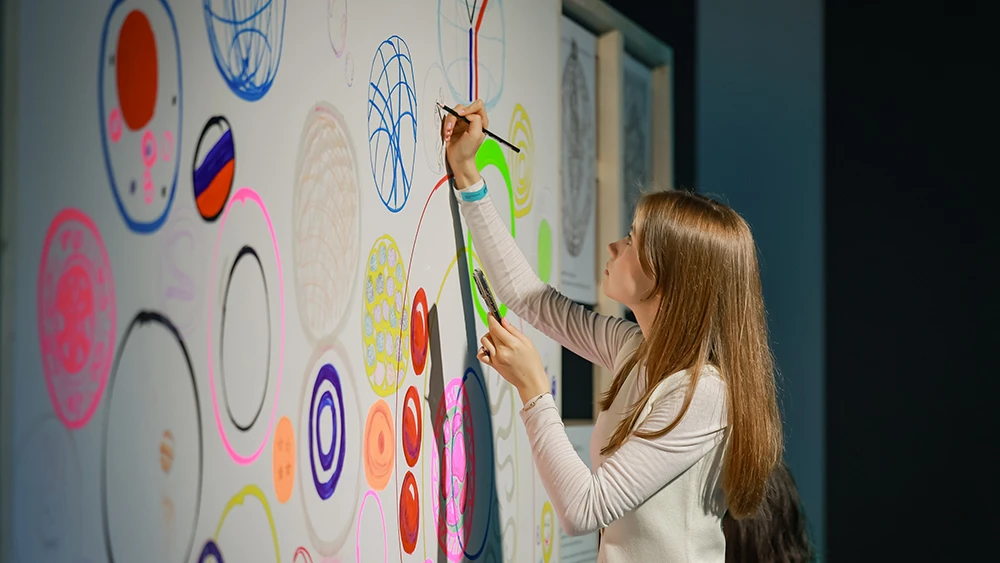
The interactive installation "Once Upon a Time, Giotto..." opened on 26 September in the business area of the National Centre RUSSIA as part of the Open Lecture Hall "Inventing the Future: Limits of the Human".


