The National Centre RUSSIA congratulates on Cosmonautics Day
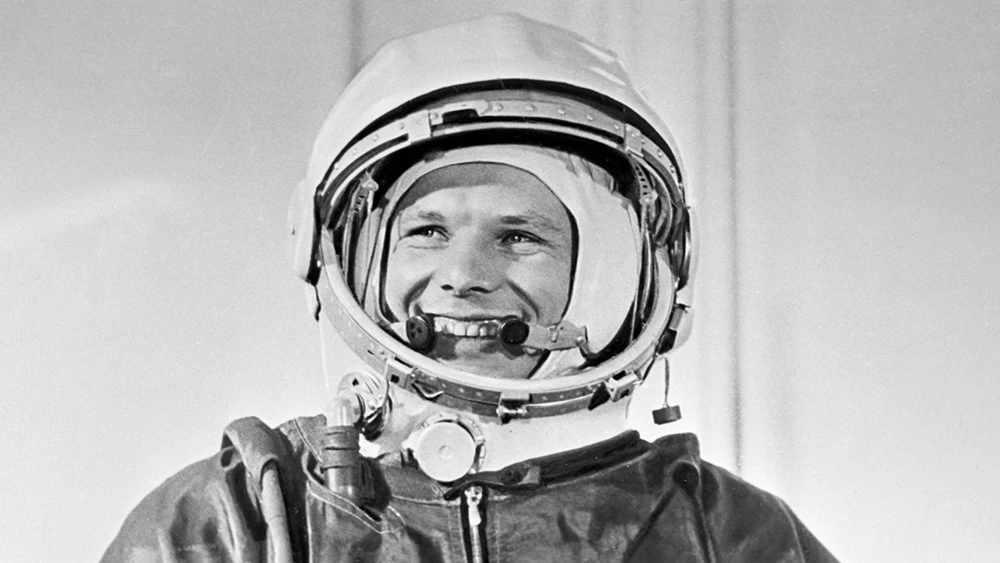
The National Centre RUSSIA congratulates everyone on the 65th anniversary of the first human spaceflight — an event that changed the course of history. In 1961, Yuri Alekseyevich Gagarin, aboard the spacecraft Vostok-1, opened the way to the stars for humanity, demonstrating what courage, intellect, and belief in a dream can achieve. His feat inspired millions around the world and became a symbol of the boundless potential of humankind.
The launch took place at 09:07 Moscow time on 12 April 1961 from the Baikonur Cosmodrome. It was then that Yuri Gagarin uttered the now-famous phrase, "Let’s go!" The flight lasted 108 minutes, during which the cosmonaut maintained radio contact with Earth, sharing his impressions of the beauty of our planet. During this time, Vostok completed one orbit around the Earth. At an altitude of about seven kilometres, Gagarin ejected from the spacecraft, as planned under the mission programme, and descended by parachute. He landed near the village of Smelovka in the Saratov Region, where he was met by just two people: a forester’s wife and her five-year-old granddaughter, Rumiya Nurskanova.
"I heard a whistling sound and a growing roar, felt the giant spacecraft tremble throughout its body and slowly, very slowly lift off from the launch pad. The rocket began its struggle against Earth’s gravity," Yuri Alekseyevich recalled. He was struck by the sensation of weightlessness and the view of Earth from the porthole. All his observations were recorded in the onboard log.
On 14 April 1961, a ceremonial reception for the first space pioneer was held in Moscow. Red Square was decorated with flags and banners, and a 22-metre model of the Vostok spacecraft was installed in the centre. To the sound of the Soviet national anthem, Yuri Gagarin ascended the tribune of the Mausoleum, where he reported to the country’s leadership on the successful completion of the mission.
At the end of April 1961, Yuri Gagarin set off abroad on a "mission of peace". Over the next three years, he visited around 30 countries, including Czechoslovakia, Bulgaria, Finland, the United Kingdom, Poland, Cuba, Brazil, Canada, Hungary, India, Egypt, Austria, Japan, France, Mexico, the GDR, Sweden, Norway, and others.
The holiday was established just a year after the historic flight — on 9 April 1962 — at the initiative of cosmonaut German Titov. Over time, Cosmonautics Day gained international recognition: in 1968, it became World Aviation and Cosmonautics Day, and in 2011, the United Nations General Assembly proclaimed 12 April the International Day of Human Space Flight.
In Moscow, commemorative events traditionally begin with a flower-laying ceremony at the burial sites of Yuri Gagarin and Soviet designer Sergei Korolev near the Kremlin Wall. Representatives of the space industry and cosmonauts usually take part in the ceremony.
In 2026, on the eve of Cosmonautics Day, Russia is holding its first Space Week. The decree establishing it was signed by the President of the Russian Federation, Vladimir Putin, on 29 December 2025. According to the document, Space Week will be held annually from 6 to 12 April to promote national achievements in space exploration and enhance the prestige of space-related professions. This year, it is dedicated to the 65th anniversary of Yuri Gagarin’s flight.
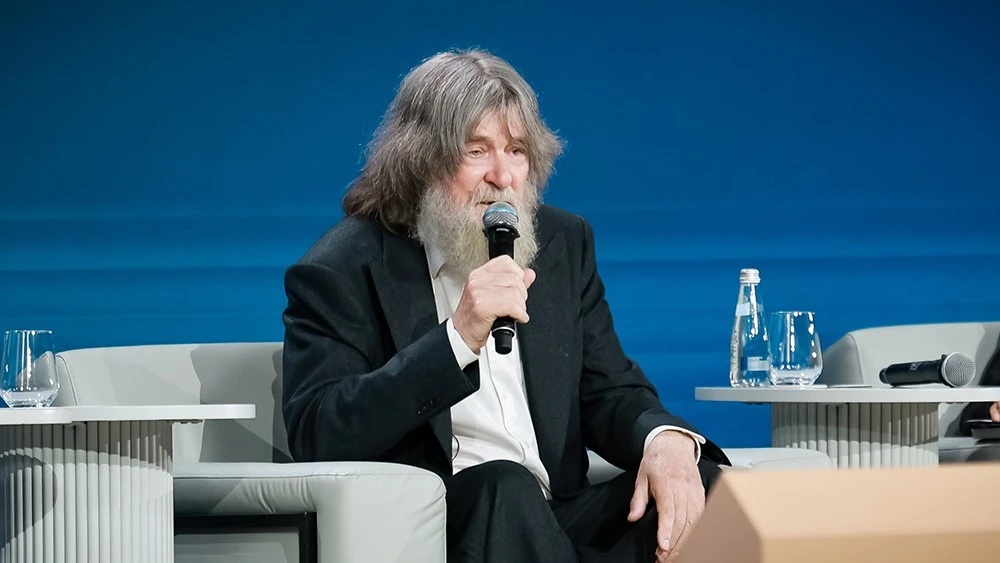
On Cosmonautics Day, the National Centre RUSSIA invites visitors to the first lecture of the "Space Odyssey" project — a meeting with a cosmonaut and experts. Guests will learn how the Soviet space programme was created and how the first cosmonaut corps was formed, how candidates are selected and trained today, and what qualities are required to reach orbit.
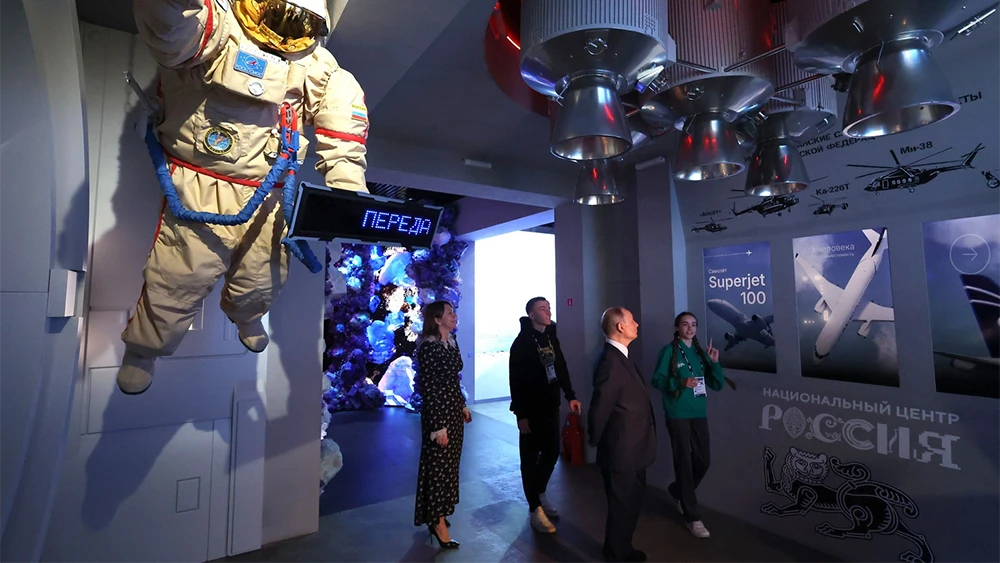
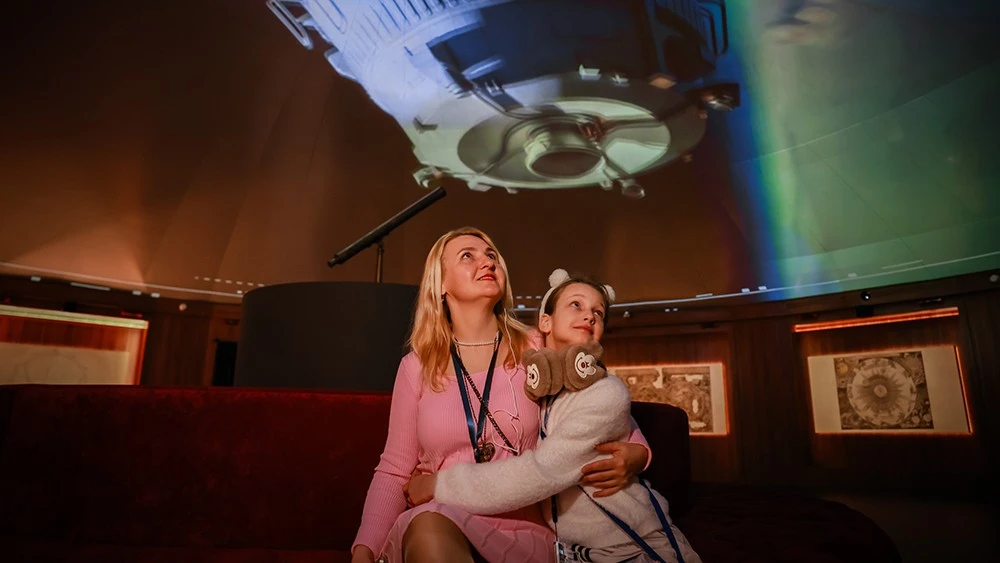
At the National Centre RUSSIA, space becomes closer — through stories, exhibits, and conversations with those who have dedicated their lives to it. Every visitor can take a step towards the stars.