


From aerial surveying to satellites: how engineers create the technologies of the future discussed at the National Centre RUSSIA
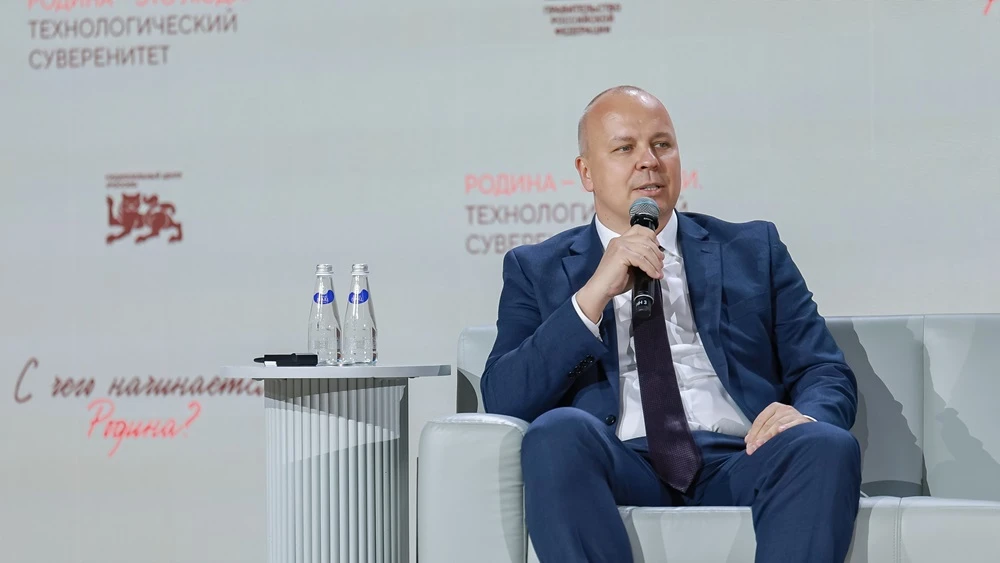
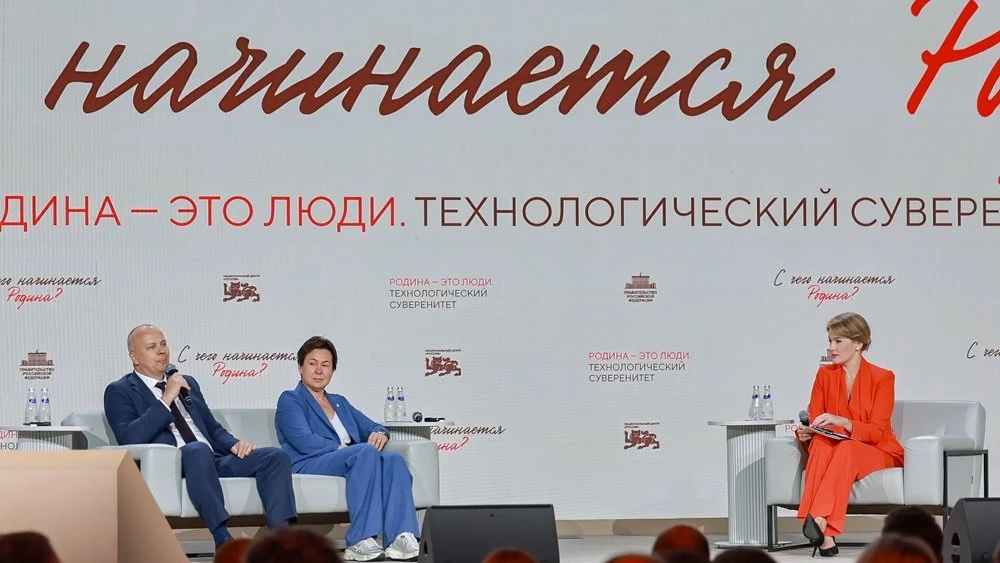
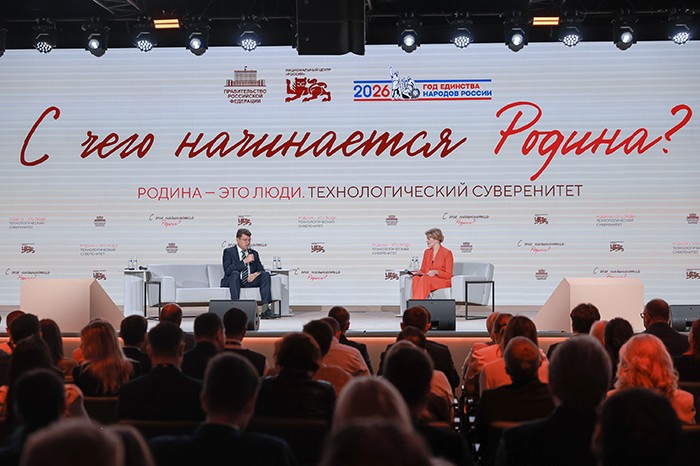
Technological sovereignty begins with people who are ready to set themselves difficult tasks and look for unconventional solutions. Experts discussed how engineering developments turn into new technologies and why young specialists are becoming one of the key resources for technological development at the "Motherland Is People. Technological Sovereignty" event, held as part of the All-Russian project "What Does the Motherland Begin With". The meeting was opened by the First Deputy Prime Minister of the Russian Federation, Denis Manturov.
Pavel Stepanov, Director General of Geoscan Moscow LLC, noted that in developing unmanned systems, the group of companies set itself the task of not copying other people's solutions or integrating ready-made developments, but creating its own technologies.
"We create entirely our own solutions. And the challenge we set for our team is often right on the edge of what seems possible. But it is precisely this that motivates our people — our developers, programmers and designers — to achieve the technological breakthroughs we are making," Pavel Stepanov said.
One of the company's first areas of work was unmanned aerial surveying and the creation of digital copies of individual sites, cities and entire regions. Over time, the engineers decided to expand the technology's capabilities and move from studying the Earth's surface to exploring what lies beneath it. This led to the development of unmanned geological exploration, which mining companies use to survey deposits of gold, kimberlite and rare-earth metals.
The speaker cited drone light shows as another example of technological development. What began as an experiment by one student grew into a separate area of work: today, thousands of drones impress audiences across four continents. More than 300 projects have been completed in total.

Another area of the company's work is space technology. In 2020, development began on an educational CubeSat — a small satellite designed, among other things, for research experiments. Over five years, 17 small spacecraft have already been sent into orbit. This coming winter, the company plans to launch a constellation for Earth remote sensing, whose data could be used, in particular, in agriculture for crop forecasting and in environmental protection to monitor the condition of forests.
"At the same time, technological development is impossible without specialists who are capable of creating and improving these technologies. It is not easy to find a fully trained engineer capable of making a technological breakthrough on the labour market today, so the company pays particular attention to engineering education and early career guidance. For school and university students, the company has created the Geoscan Pioneer educational programme. It allows them to study robotics, experiment, create algorithms and develop their own designs, bringing them closer to the practical tasks faced by engineers," the Director General of Geoscan Moscow explained.
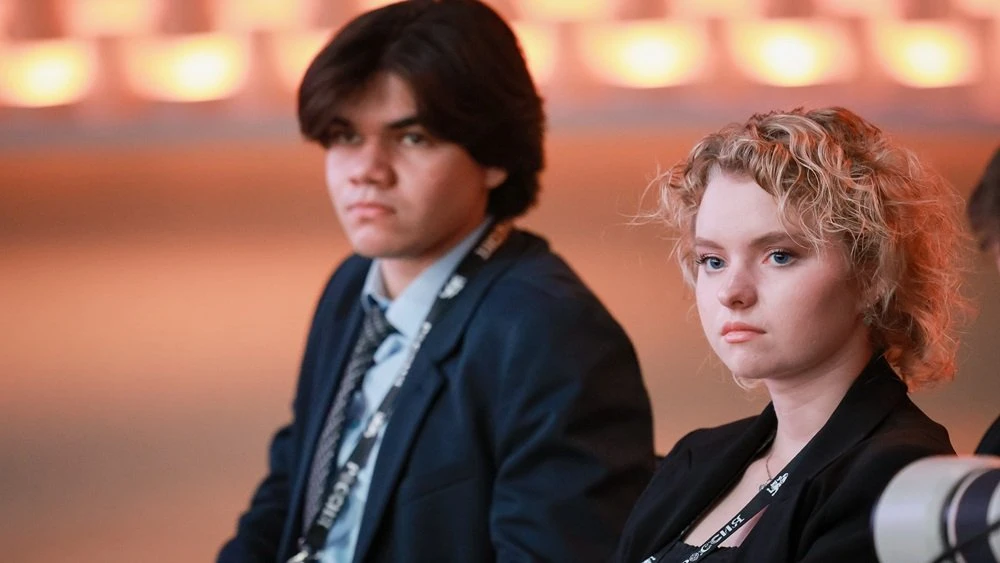
According to Pavel Stepanov, young specialists play an important role in this process. They are often the ones who propose solutions that do not occur to more experienced developers. As an example, he cited company employee Kirill Starikov, who began as an intern in the drone show department and later headed the space programme for the development of ground stations, where he was able to realise his potential as an astronomer. The network of ground stations created with his involvement allows educational institutions to work directly with spacecraft: sending commands to satellites, receiving telemetry and conducting research using real data rather than simulations.
Concluding his remarks, Pavel Stepanov once again emphasised the importance of human capital for the country's technological development: "People are the key factor in technological sovereignty. Technology matters, but without people it does not work. Only when we give professionals opportunities to grow and strengthen the engineering school can we move both technology and the country forward."
The "Technological Sovereignty" meeting was held as part of the All-Russian project "What Does the Motherland Begin With". The discussion also involved heads of major enterprises, who presented breakthrough solutions in strategically important industries. The main topics included scientific and technological leadership, aviation and shipbuilding, the revival of the machine tool industry and prospects for international trade.
Event photobank

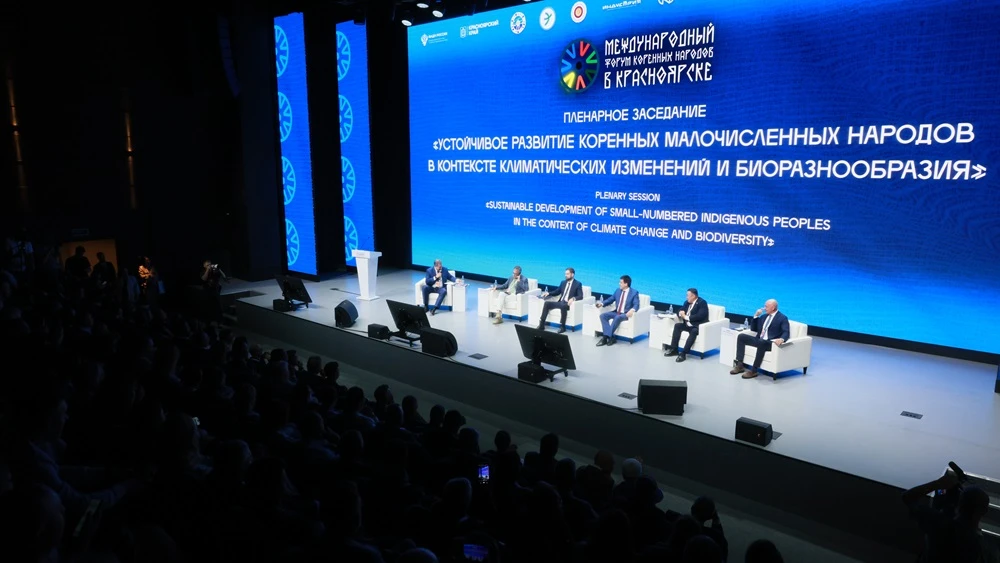
The forum programme includes business, cultural and sporting events.
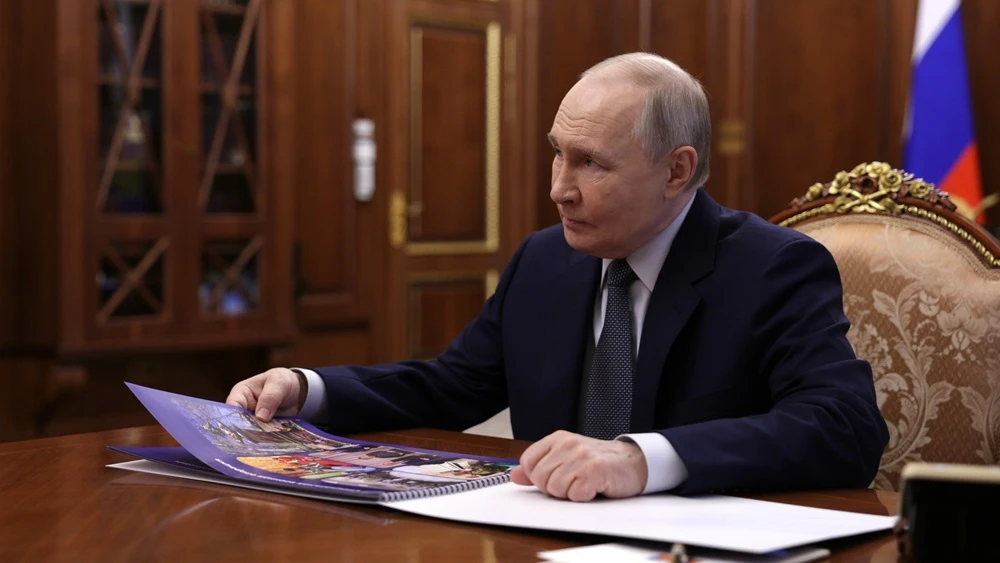
The President highlighted the importance of preserving the languages, culture and traditions of indigenous peoples, as well as international cooperation in this area.
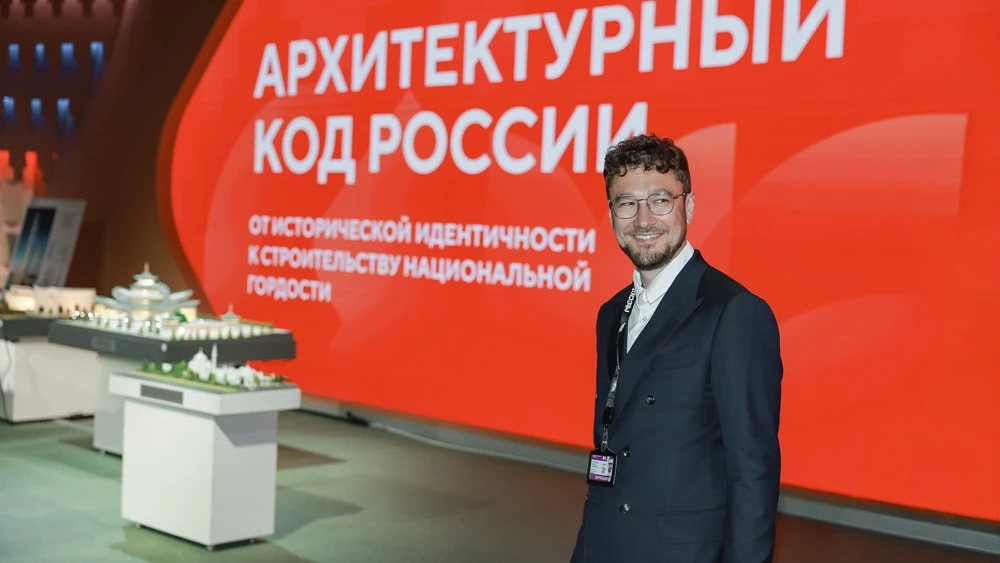
According to Andrei Melentyev, Russia already has recognisable features that distinguish its architecture.


