


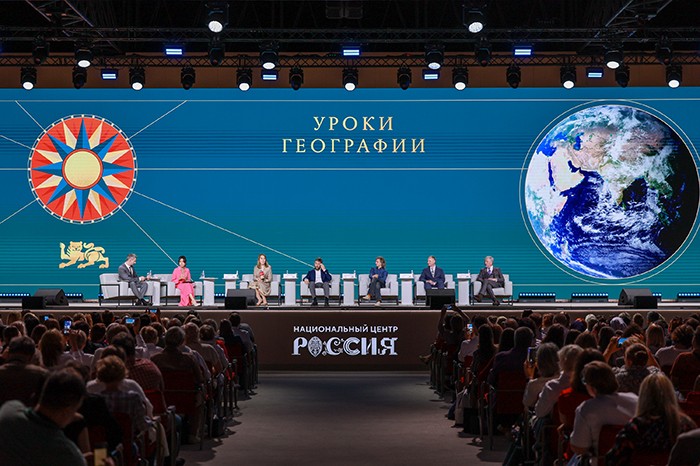
From the classroom to orbit: how geography inspires and shapes character discussed at the National Centre RUSSIA
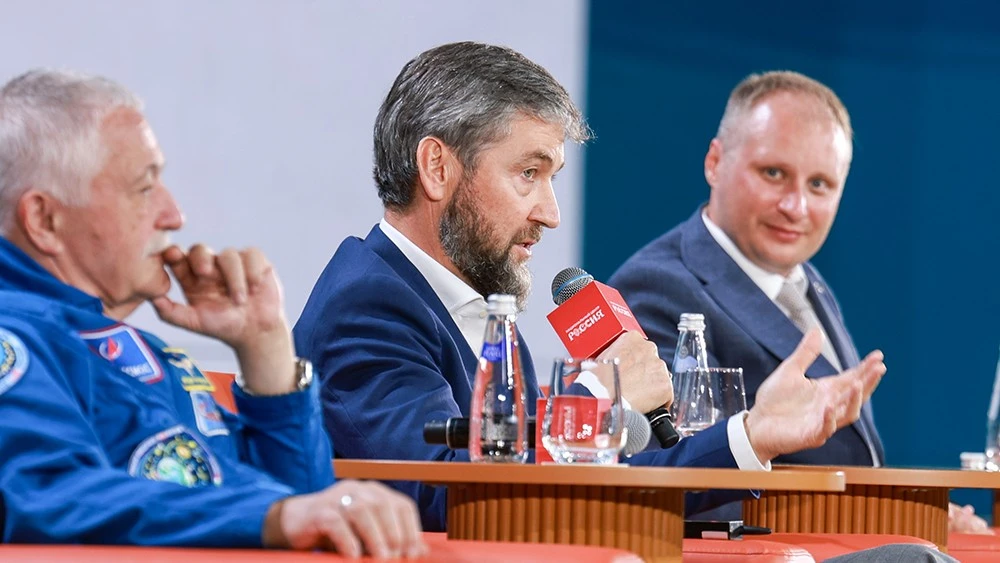
How can an ordinary school subject be transformed into a
source of inspiration capable of fostering patriotism and engaging teenagers in
studying their native country in the age of short-form thinking? This question
became central to the participants in the session "How to Move Beyond the
Classroom and Textbook and Become a Geography Opinion Leader", held as
part of the Forum of Geography Teachers and Students of Specialised
Universities at the National Centre RUSSIA.
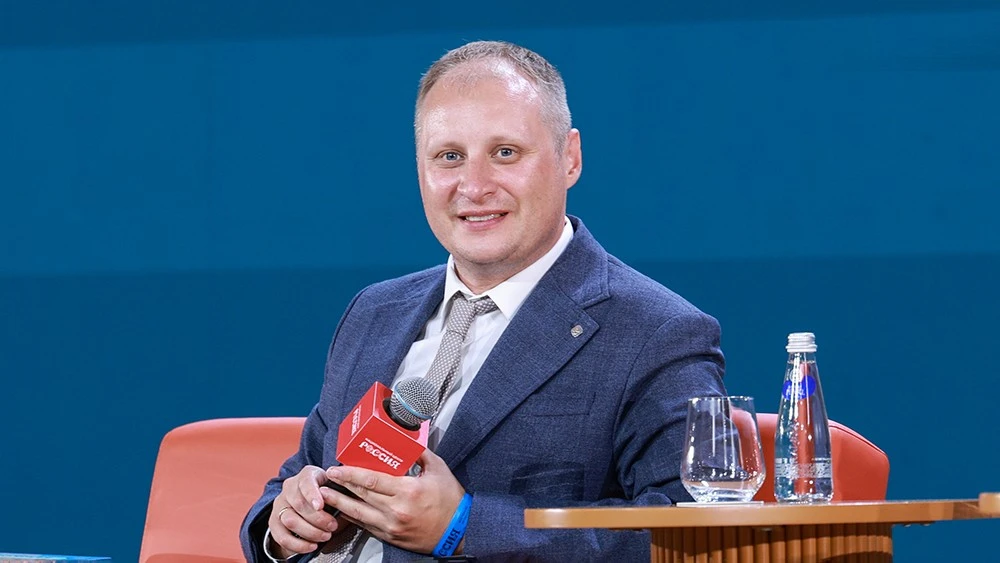
Mikhail Vaganov, a geography teacher at the Sirius
Presidential Lyceum, a semi-finalist in the fourth season of the television
show "Klassnaya Tema!" ("Cool Topic!") and an educational
blogger, opened the session with a presentation titled "How to Capture
Pupils’ Attention in Geography Lessons". He shared practical tools for
engaging young people in science and spoke about working with children’s
attention and how modern lesson formats and current digital tools help attract
and sustain pupils’ interest through vivid visual materials, paradoxes, analogies,
educational "memes" and sometimes the rather unexpected device of
silence.
"Personal stories — our own and those of our pupils —
also work well for attracting attention. We spend a great deal of time with the
children, and our stories inspire them, while their stories, surprisingly
enough, inspire us. So, when a pupil’s story benefits the lesson, let it be
heard. Using names in class is another interesting technique: instead of simply
saying, 'someone went from point A to point B', say, 'Lena went up the
mountain'. That immediately gets their attention: 'Wow, our Lena went up the
mountain!' Then there is pace, unexpected actions, switching activities,
philosophical debates... You leave the classroom with your back soaked, but the
effect is fantastic. So all of this works when you are passionate yourself and
know how to inspire others," Mikhail Vaganov said.
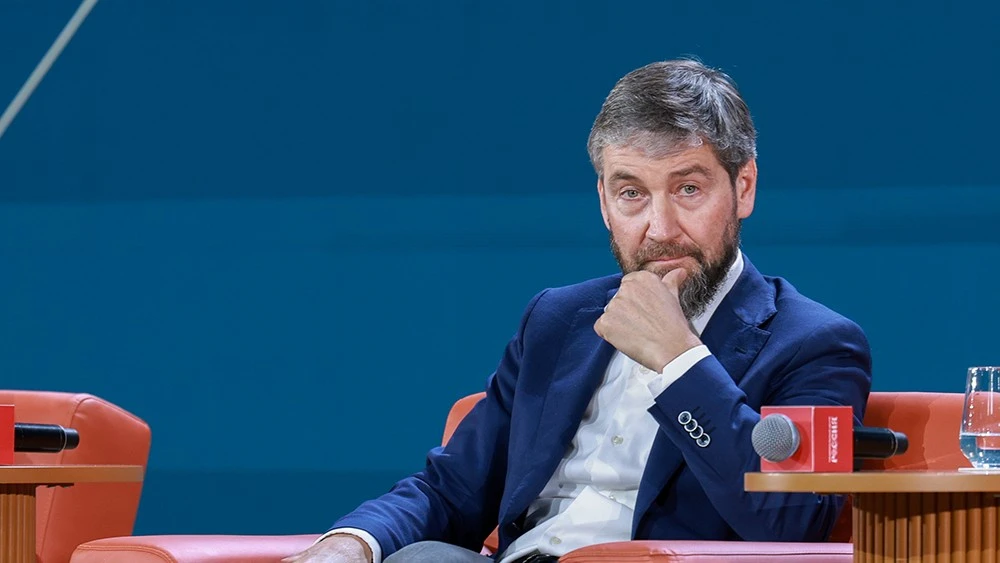
Oscar Konyukhov, Head of Fedor Konyukhov’s Expedition
Headquarters, presented geography as a school of life. According to him,
expeditions are not merely a way to learn something new about the surrounding
world but also an opportunity to test oneself. He spoke about the subject’s
role in shaping character and how overcoming difficulties during journeys
develops a young person’s character and sense of responsibility for the future
of their country.
"An expedition teaches more than geography. It teaches
life. In conditions of uncertainty, responsibility, the ability to make
decisions and trust the team come to the fore. Russia is a country of vast distances
and major challenges. We have the largest Arctic territory, and we are
responsible for its ecology and exploration. We have the Franz Josef Land
archipelago — 192 virtually unexplored islands, each with its own history. Yet
few of our schoolchildren even know that they exist. That is why we need to
tell children about our country and inspire them with our expeditions so that,
when they return to their classrooms and neighbourhoods, they pass these
stories on and set out on expeditions themselves. Not everyone has to climb
Mount Elbrus, but everyone living in Russia should see these mountains,"
Oscar Konyukhov said.
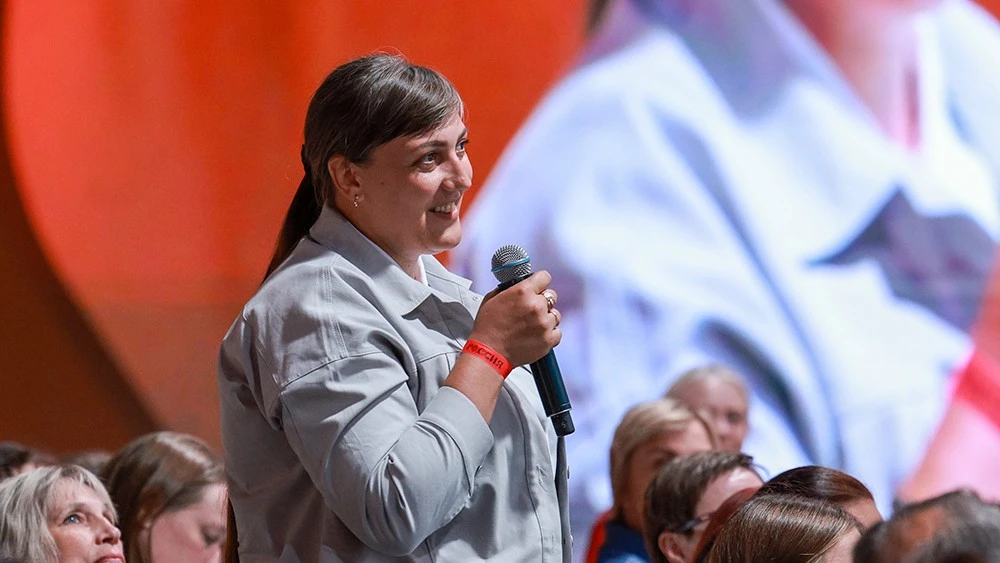
The culmination of the session was a dialogue with Fedor
Yurchikhin, pilot-cosmonaut and Hero of the Russian Federation. He shared his view
of Earth from orbit and spoke about his path into the profession, the Olympic
flame aboard the International Space Station and what a person feels in
weightlessness. The cosmonaut admitted that geography had largely become the
guiding star that led him into space, and that this love began at school, just
like his love for his native land.
"Zoya Vasilyevna Gromova, my geography teacher — I
still remember her lessons, and not only hers. I was fortunate: all our
teaching was interconnected. Literature, biology, geography and history were
all intertwined, and that has remained with me throughout my life because our
teachers knew how to interest and inspire us. For example, my childhood dream
was to travel to the Seychelles because we were told at school that the world’s
largest nut grows there, which for many years was believed to come from the
sea, and I wanted to see it. In the end, I did see it, and I was very happy.
When I flew over Lake Baikal, I also remembered how we had been told about it
at school. And nowhere else in the world has the kind of pink sunrises over
Kamchatka that I photographed from space. It is school that instils a love for
all of this," Fedor Yurchikhin concluded.
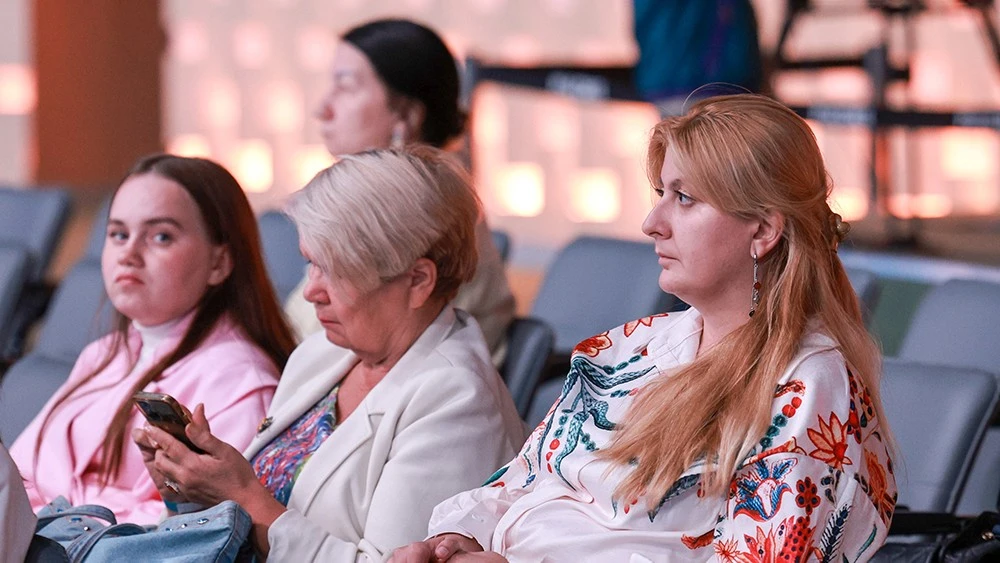
At the end of the meeting, its moderator, Maria Osadnik,
Executive Producer and Host of the "Poyekhali!" travel show on
Channel One and Host of the "Good Morning" programme, summed up the
main conclusion: geography begins with the individual and teaches people to
understand their place in the world, while subject teachers become the
principal guides along this path.
The Forum of Geography Teachers and Students of Specialised
Universities was held at the National Centre RUSSIA on 25 June. It brought
together more than 800 participants from all federal districts and became another
step towards making geography a modern and inspiring subject capable of
educating young people who are ready for new discoveries, responsibility and
the preservation of their country’s legacy.
Event photobank

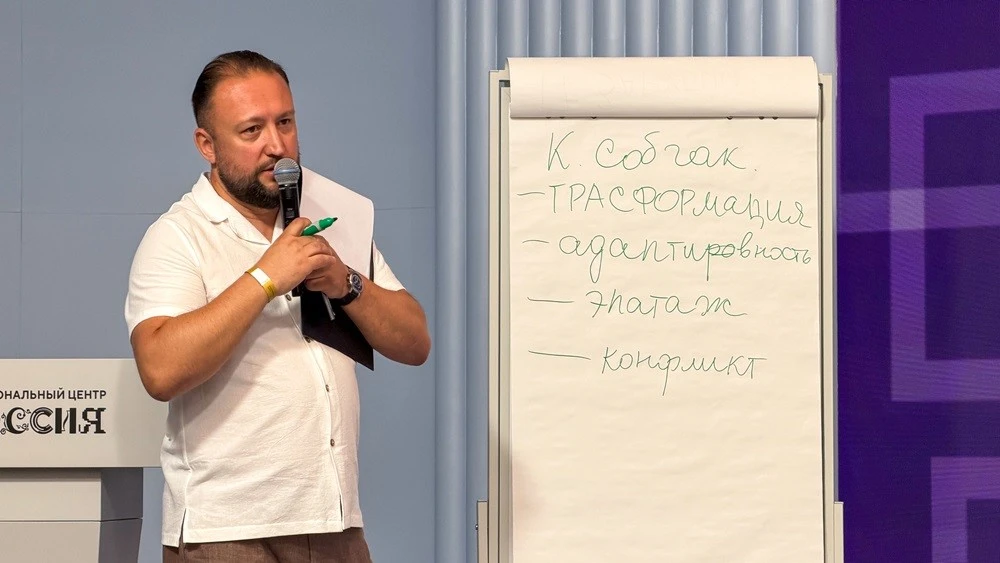
The expert was Vadim Ampelonsky, Development Director at Synergy Corporation, journalist, PR specialist and strategic communications expert.
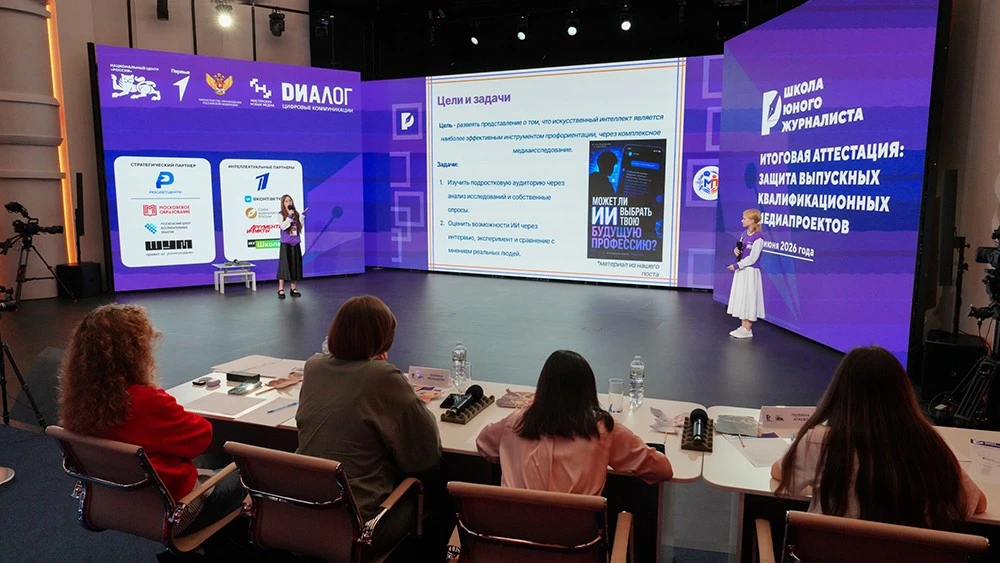
The Young Journalists School is a multi-format educational project of the National Centre RUSSIA.
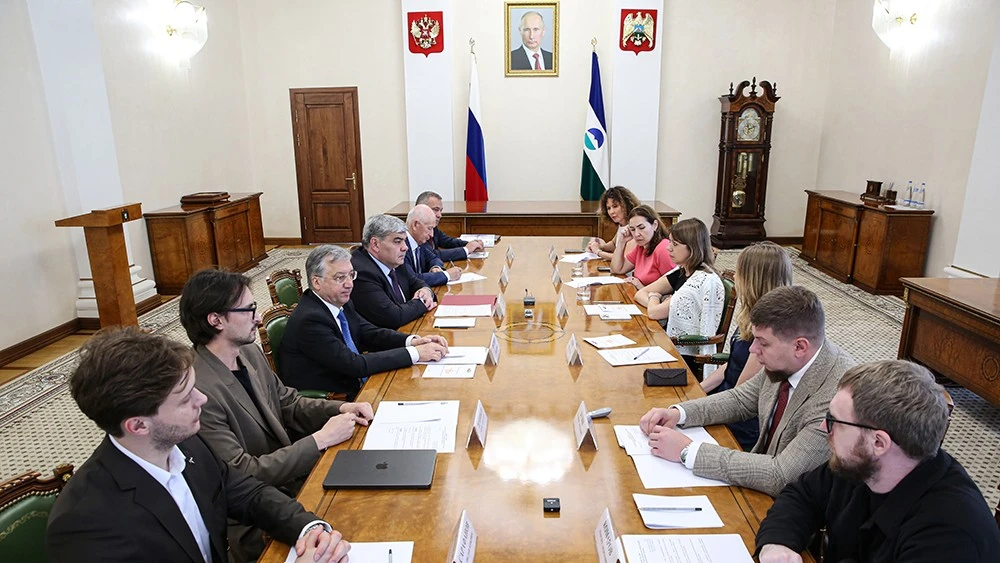
On 26 June, a team from the National Centre RUSSIA, led by its Director General Natalia Virtuozova, visited the Kabardino-Balkarian Republic.


