


From technology to ideology: architect Timur Bashkayev explains how a metro station takes shape
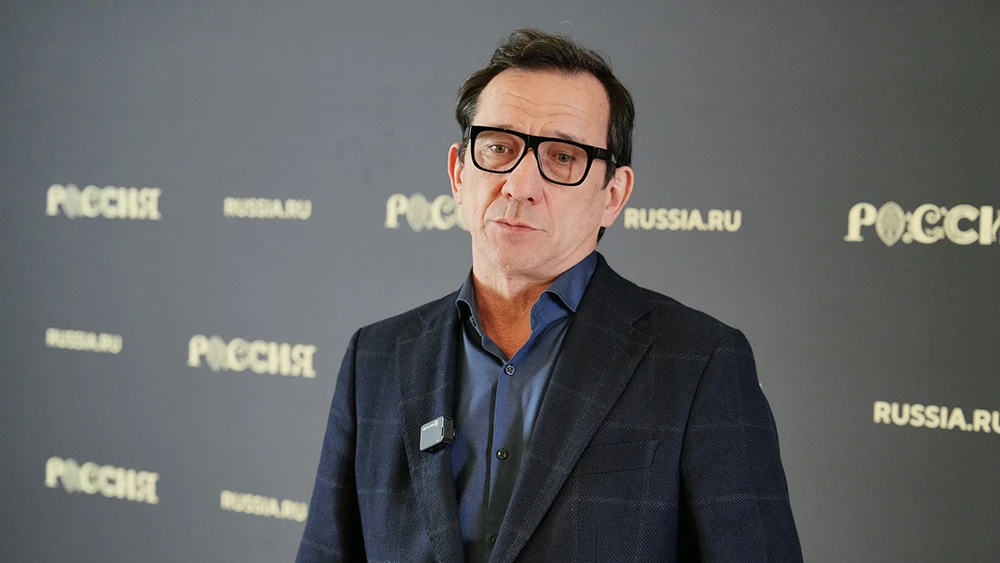
Designing a metro station begins with three briefs — technical, ideological and economic — rather than a sketch. Timur Bashkayev, Chief Architect of the Moscow Central Circle, explained how they shape a future station at the historical Lecture Hall "From Tsarist Plans to a Digital Future: The History and Architecture of the Russian Metro" at the National Centre RUSSIA.
The expert explained that the first step is to establish the station’s basic parameters, including its depth and structural design. This is the responsibility of the specialists planning the station, rather than the architect.
"The second brief is ideological: what the city expects from this station, its expectations and the intended level of grandeur. That bar has changed: in the 2010s it was at one level, whereas in the 1970s, for example, standard designs were used. Now the bar is rising again. And the third brief is economic. Staying within budget is very important," Timur Bashkayev explained.
According to the architect, whether a station reflects its era depends on how high the bar is set at the outset. When architects appreciate the project’s importance and understand that the city and the entire country support them, they produce their most expressive and creative work.
The discussion also featured transport history expert, photographer and historian at JSC Mosmetrostroy Alexander Popov, and Director of the "I Remember" Foundation and member of the Academic Council of the Russian Military Historical Society Artyom Drabkin, who also hosted the event. Lecture Hall guests discovered why the Moscow Metro is considered one of the most beautiful in the world, how metro construction has changed from one era to another, and what legends have grown around it over its 91-year history.
The Open Historical Lecture Hall is an original project of the National Centre RUSSIA that introduces audiences to unique historical facts, debunks harmful myths and helps foster patriotism and respect for their country’s legacy. The project is implemented with assistance from the Russian Military Historical Society (RVIO) and the "I Remember" Foundation.
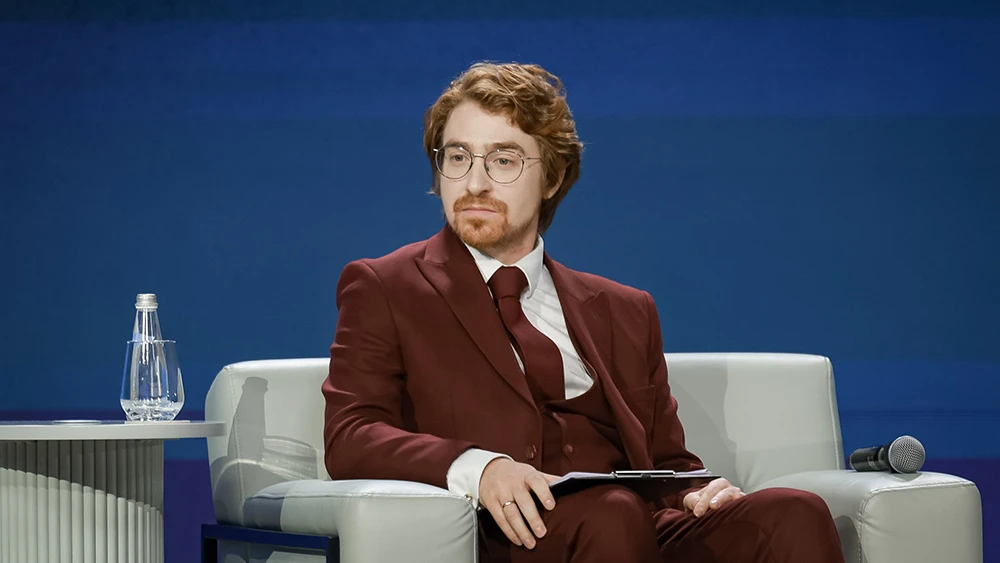
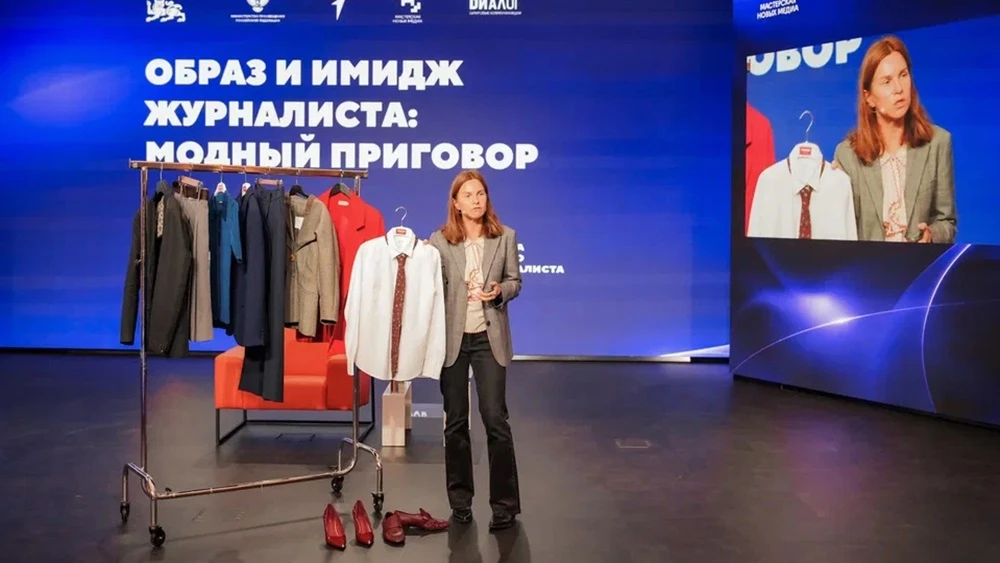
A journalist's appearance builds audience trust and shapes the face of modern media.
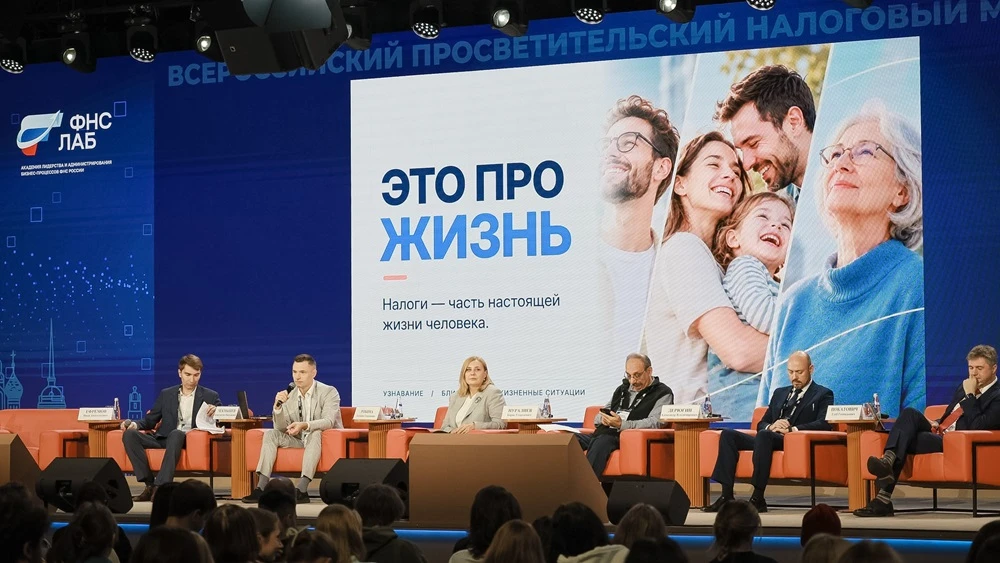
The event brought together young people, anyone seeking a better understanding of taxation, and representatives of government, business and professional communities.


