A celebration of those who explore the soul of nations
Today, 17 July, Russia marks Ethnographer's Day, the professional holiday of those who have devoted their lives to studying peoples, their cultures, traditions and customs. But the occasion is more than simply a professional celebration for ethnographers. It also serves as a reminder to us all that the unity of the nation's peoples and the country's happy shared future begin with a deep respect for its rich ethnocultural legacy.
The date was chosen on purpose — to coincide with the birth of the eminent Russian traveller and ethnographer Nikolai Miklouho-Maclay, who was born on 17 July 1846. His pioneering research introduced Europe to the customs of the Papuans of New Guinea and laid the foundations of Russian anthropology. Although Ethnographer's Day has never received official status, it has been celebrated within the academic community since the 1970s, following an initiative by the Soviet ethnographer Rudolf Its, founder and head of the Department of Ethnography and Anthropology at the Faculty of History of Leningrad State University.
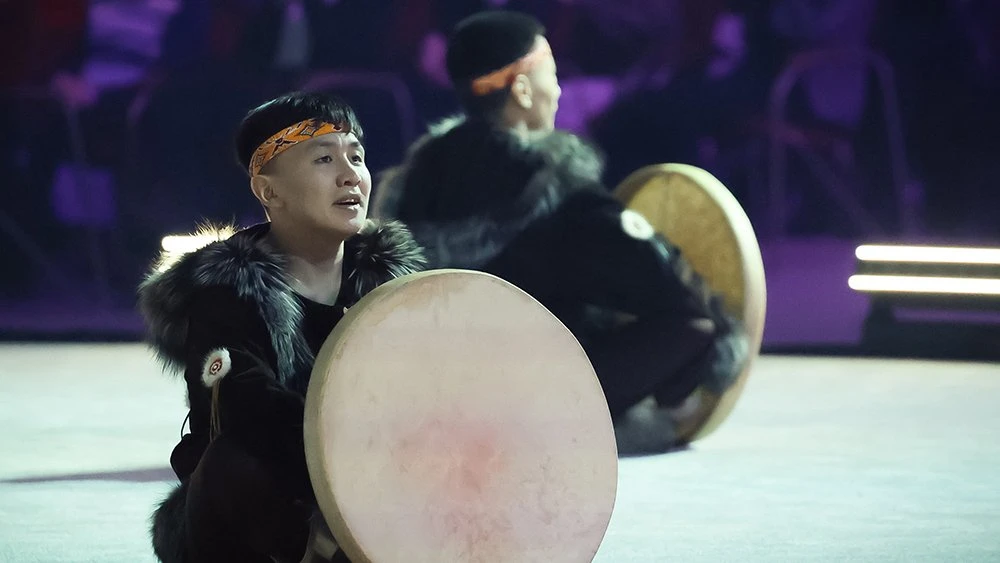
It is symbolic that Ethnographer's Day falls in the middle of July, at the height of the fieldwork season and ethnography students' internships, when researchers can celebrate together with their colleagues while on expeditions. After all, it is in the field that ethnographic knowledge is truly born — through first-hand observation of people's lives, their customs, rituals and languages. Over the years, every institution has developed its own traditions for marking the occasion, from festive gatherings to light-hearted initiation ceremonies for newcomers taking part in their first ethnographic expedition.
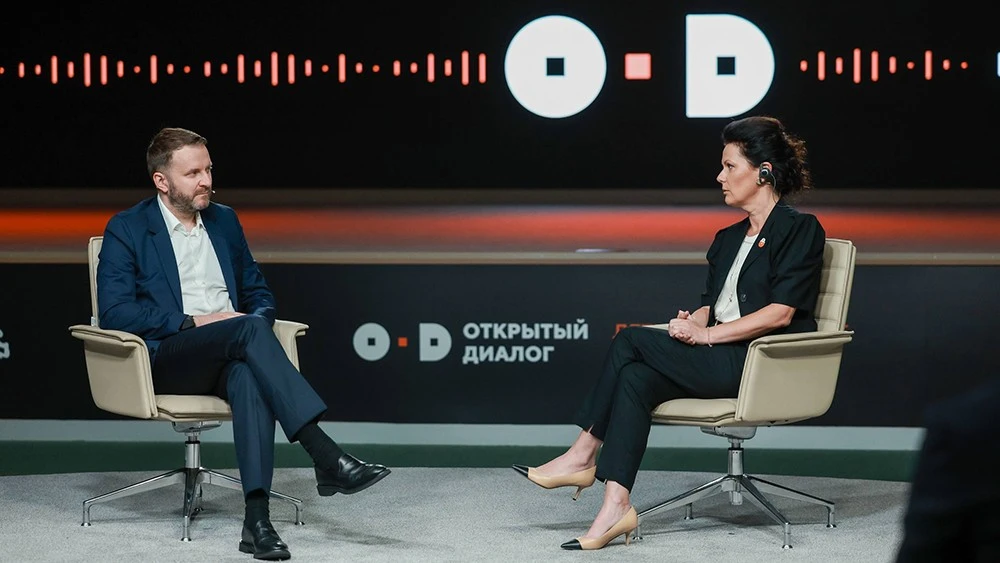
The National Centre RUSSIA occupies a special place in today's ethnographic landscape. It was here that the idea for the International Ethnographic Triennale (IET) was conceived — a major international project scheduled to open in 2030. The Triennale was presented in June in Zaraysk, one of the most remarkable historic towns in the Moscow Region and in Russia as a whole. Under the theme "Bridging the Gaps: A Poem of Encounters", the Triennale will bring together researchers, artists and curators from around the world to explore cultural memory, traditions and new ways of understanding one another. After all, ethnography is a universal language that requires no translation. It also invites us to reflect on the gaps in history, to establish a dialogue with them, and finally leave them behind.
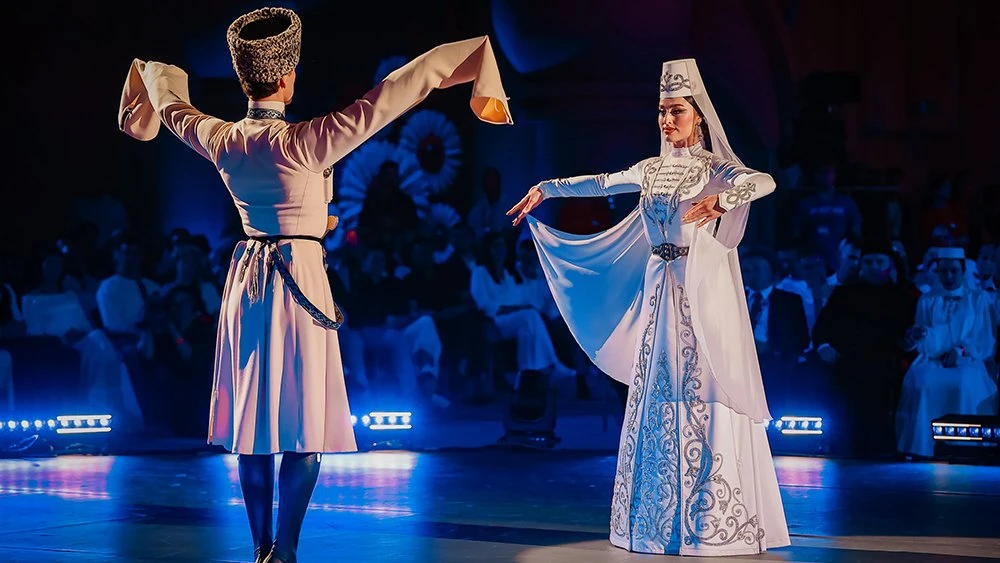
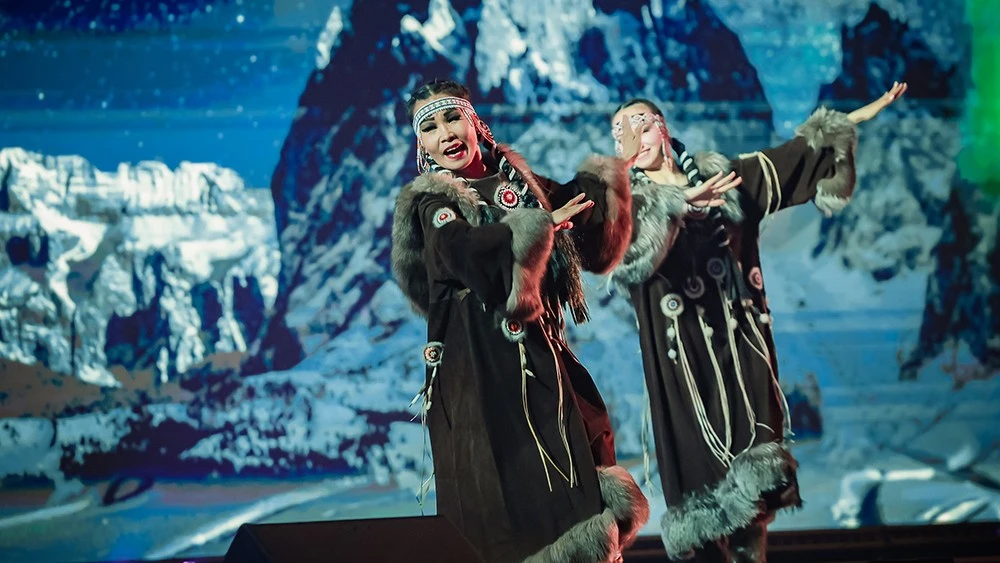
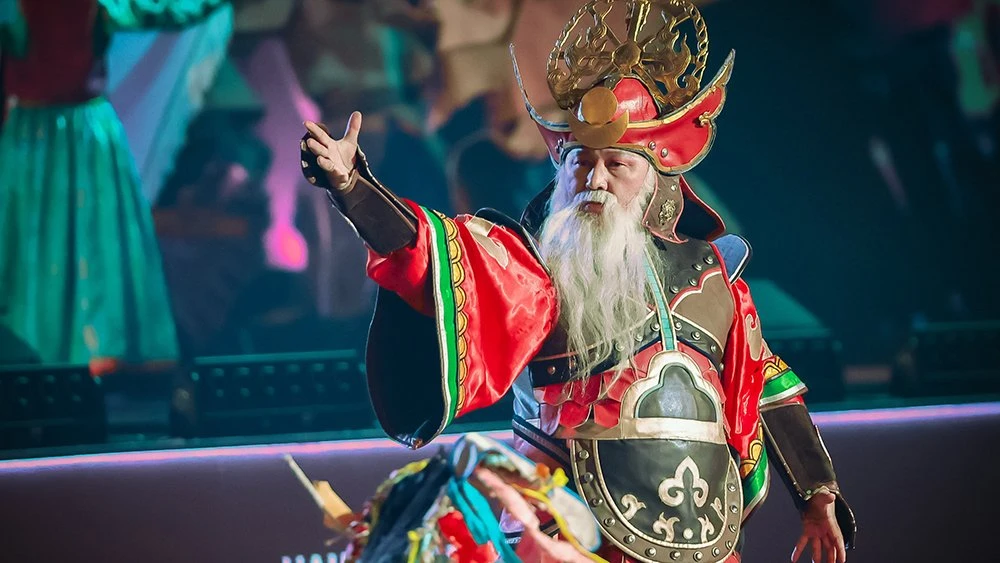
Our Mother Russia is a huge country, home to more than 190 peoples living together in friendship and harmony, and ethnographers play a vital role in preserving this extraordinary cultural diversity. By studying ethnic cultures and documenting traditions, they help us understand how human destinies have intertwined over the centuries and how the wisdom of previous generations continues to be passed on through customs, rituals and cultural traditions.
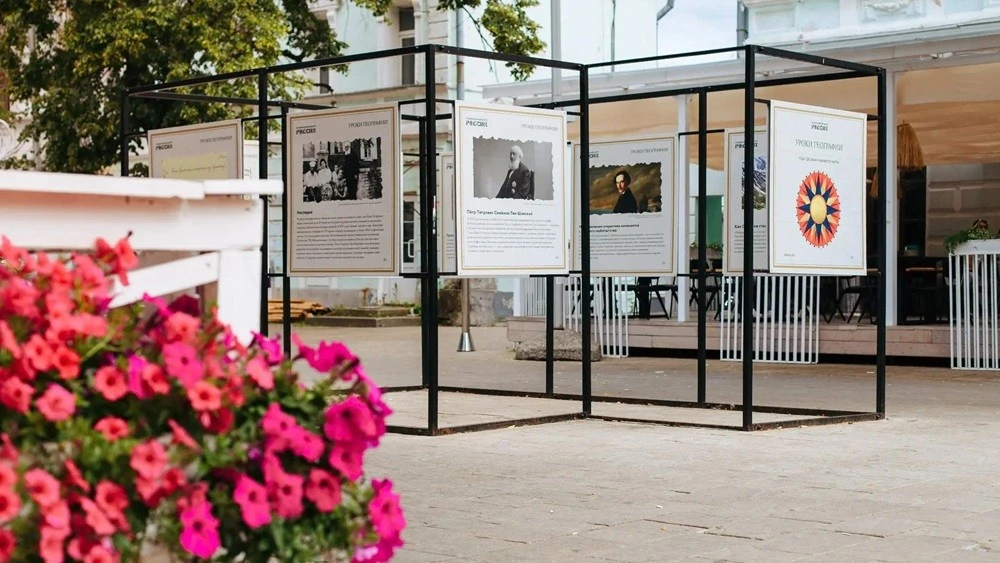
The outdoor exposition "Beyond the Edge of the Map" in the Ryazan Region has been extended.
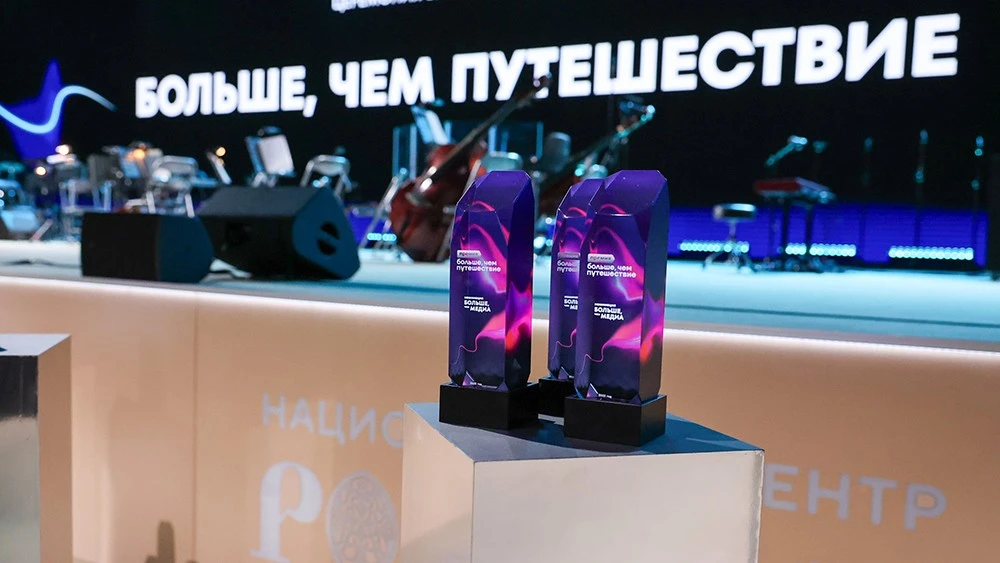
Following numerous requests from prospective participants, the application deadline for the All-Russian Award "More Than a Trip" has been extended until 31 July, inclusive.