


"Stage on a plate": the National Centre RUSSIA explains what cuisine and theatre have in common
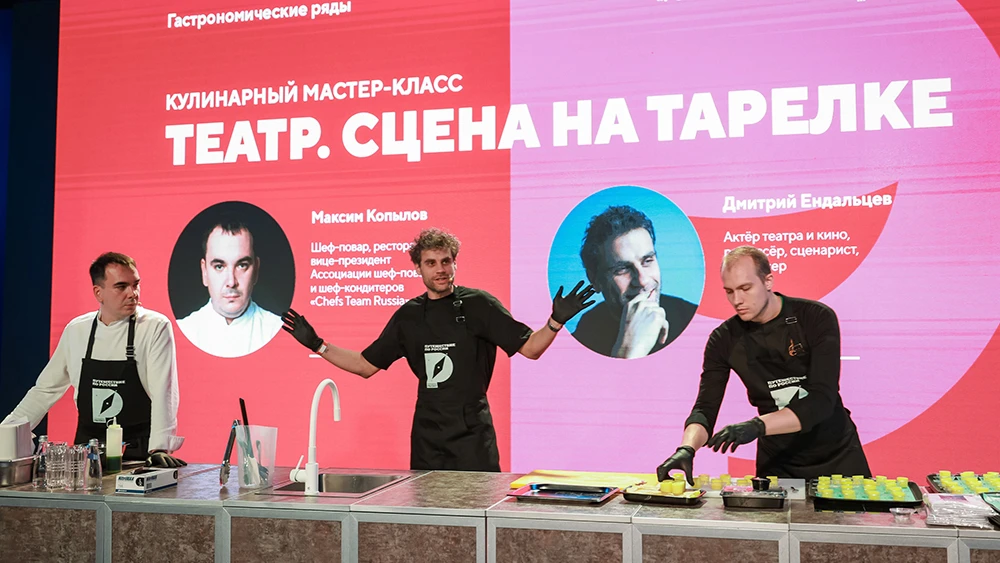
What do an actor and a chef have in common? Both work with
the same material — emotions. One guides the audience through the stage, while
the other does so through taste. An actor creates a character through voice,
movement and intonation, while a chef does it through flavour, aroma, texture
and presentation. Their task is also much the same — to create an impression that
stays with a person after a performance or dinner. This was the subject of the
theatre and gastronomy workshop "Theatre. Stage on a Plate", held at
the National Centre RUSSIA on 24 September as part of the cultural and
educational programme of the "Legacy. Theatre. The Greats"
exposition.
The workshop was led by chef, restaurateur and Vice-President of the Chefs Team
Russia Association of Chefs and Pastry Chefs Maxim Kopylov, and theatre and
film actor, director, screenwriter and producer Dmitry Yendaltsev, known for
leading roles in the series "Survive After" and "Runaway
Relatives", as well as for his work in "The Last Minister",
"Blockbuster" and "The End of a Beautiful Era".
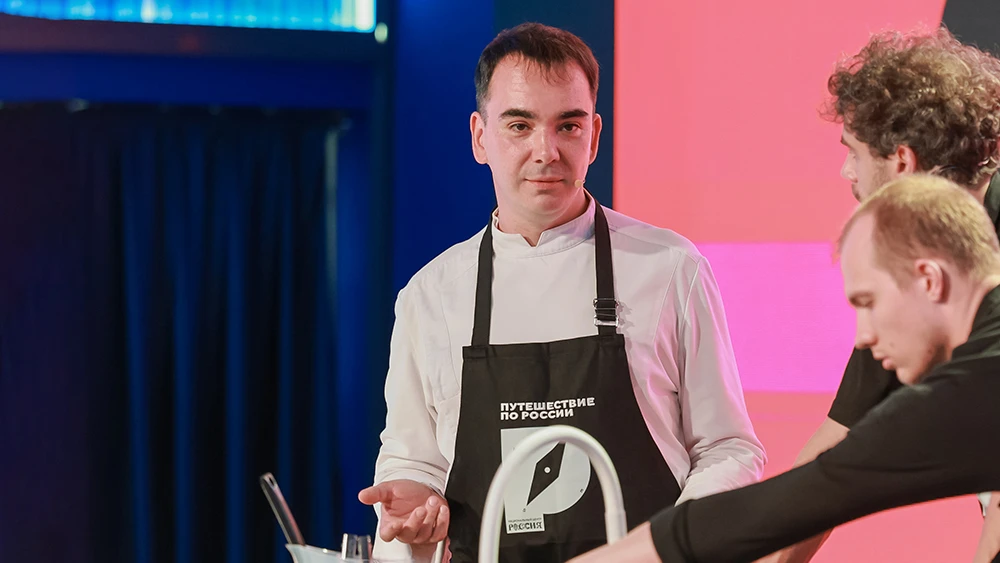
The audience learned how roles and characters are created both in the kitchen
and on stage. Dmitry Yendaltsev explained how an actor searches for the
physicality, voice and inner state of a character, while Maxim Kopylov
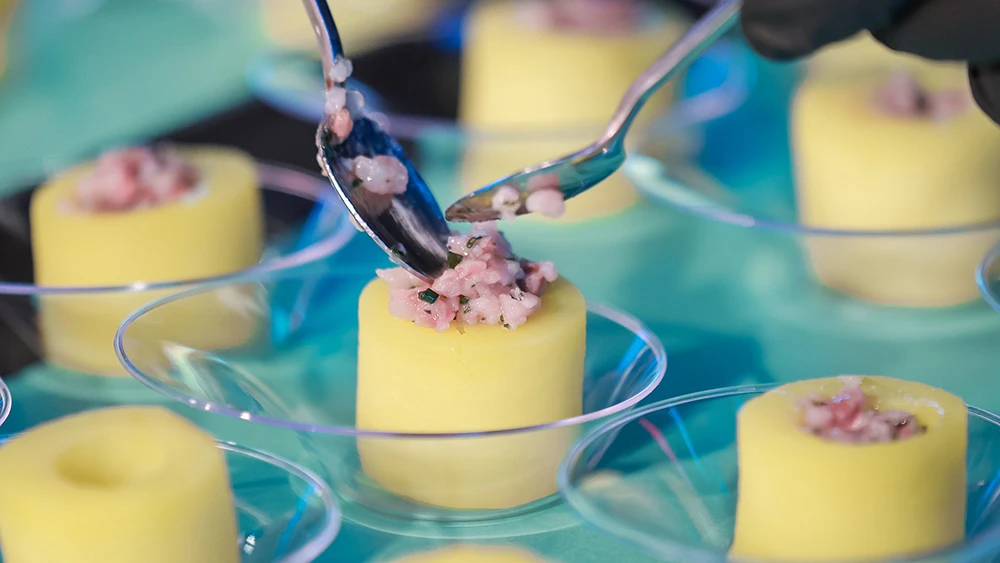
demonstrated how personality can be expressed through food. The evening's three
tasting dishes embodied three foundations of acting — character, movement and
voice. The first dish — potato cannelloni with Olyutorsky herring tartare, mint
and red caviar — clearly demonstrated, according to Maxim Kopylov, how
character can be hidden behind form.
"An actor chooses a costume and make-up, but there has to be character
behind them, otherwise the image will be empty. Culinary art is similar: when
you hear 'potatoes and herring', it sounds like a simple, familiar and
recognisable dish. But what is actually on the plate is still potatoes and
herring, only in a completely different interpretation, with more complex
execution and greater depth of flavour and idea. Each ingredient becomes a
leading character, and together they create a unique ensemble of
flavours," explained Maxim Kopylov.
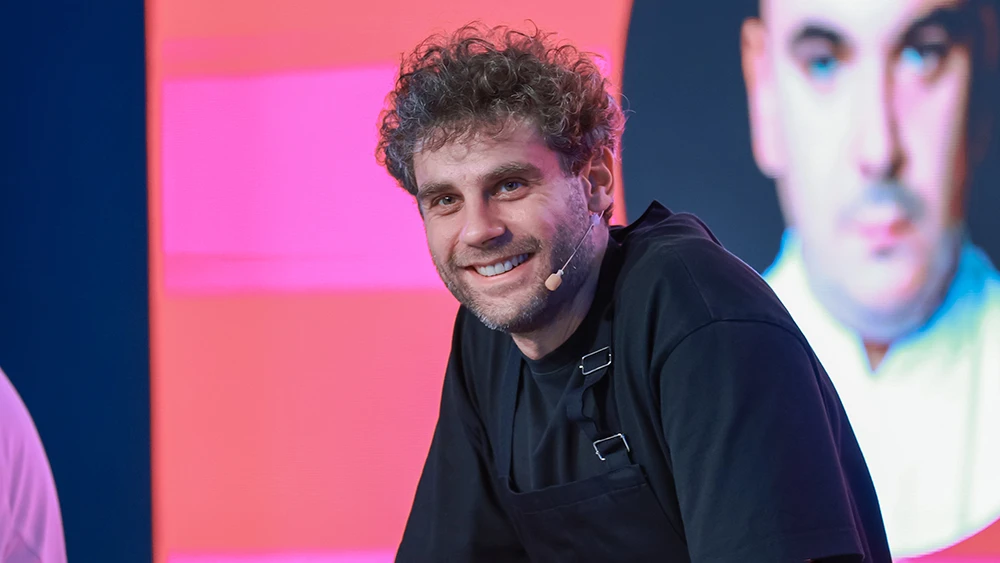
Dmitry Yendaltsev added that, just as a filling can be hidden inside a potato,
a stage character can conceal something behind the outward form that the
audience does not expect — and it is at that moment that the character, just
like the dish, becomes unique, alive and genuine.
"A potato makes me think of a man from a village — something fairly rough
and solid. I remember my grandfather: he lived in a village and was a
completely down-to-earth person who could not say 'I love you' or 'I need you'.
But imagine we showed such a man on stage as stern and tough, and then, in the
story, his grandson climbs onto a fence and breaks it. The audience expects him
to start scolding the boy. But instead, he runs over not to tell him off, but
to save him — to get him down from the fence. That is when an unexpected
character emerges. It is the same with a dish: the form may look one way on the
outside, but inside there may be an unexpected filling," Dmitry Yendaltsev
reflected.
The second dish was pearl barley with Kamchatka crab, crayfish bisque and dark kvass sauce. Maxim Kopylov explained that it was built around the contrast between a hearty peasant grain that requires time and patience to prepare and the "light step" of seafood, with a melting, almost "dancing" flavour. According to him, this resembles an actor's physicality in a particular role: slow or sharp, heavy or light.
Dmitry Yendaltsev, in turn, confirmed that sometimes a character's entire personality can be revealed through a single movement. He gave an example: a person may gesture gently, wish you all the best and speak tenderly about their love for their mother — and then suddenly turn their head sharply and leave the room. The audience immediately understands that none of it mattered: all along, the character had been thinking only about leaving. According to him, it is precisely such a sharp turn that becomes the final point of the character — perception is disrupted, and an entirely different person appears before the audience.
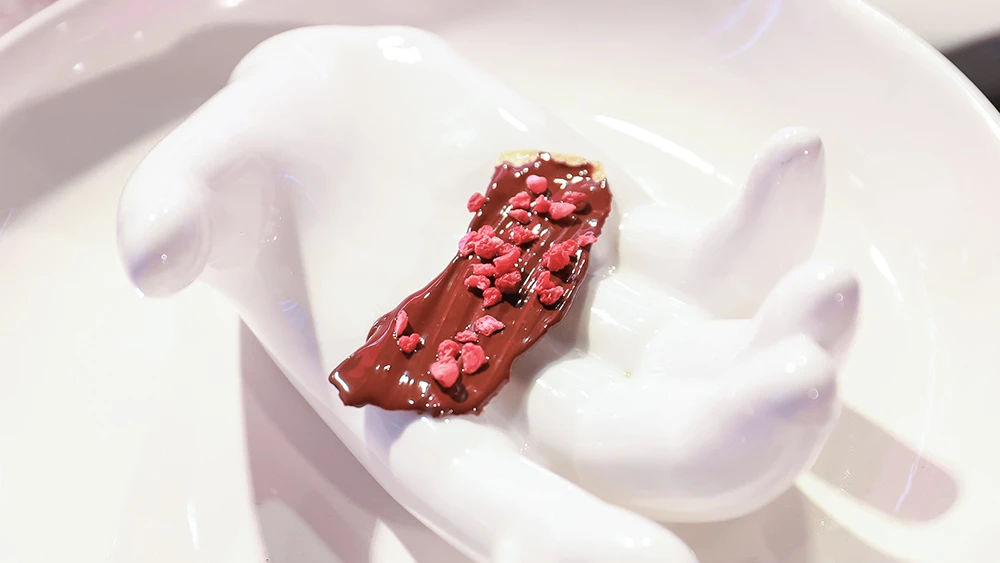
To conclude the lecture and tasting, guests were served a muksun skin crisp with chocolate and freeze-dried raspberries. According to Maxim Kopylov, the dish shows that even ingredients that seem completely incompatible can be transformed into an exquisite dessert — just as an actor's voice can sound unexpectedly, on the edge, where the audience least expects it. Dmitry Yendaltsev added that in gastronomy, as in acting improvisation, it is sometimes impossible to predict exactly which ingredient will work as something unique and genuinely valuable.
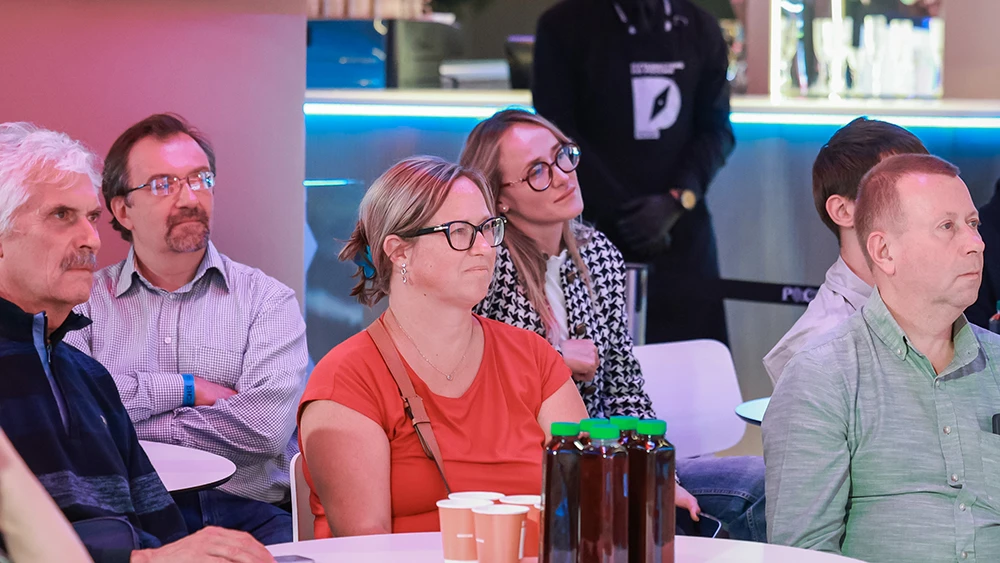
The "Legacy. Theatre. The Greats" exposition at the National Centre
RUSSIA is a major project marking the 150th anniversary of the Theatre Union of
Russia and implemented with the support of the Ministry of Culture of the
Russian Federation and the Presidential Foundation for Cultural Initiatives.
The exposition is held under the motto "Union of Happy People".
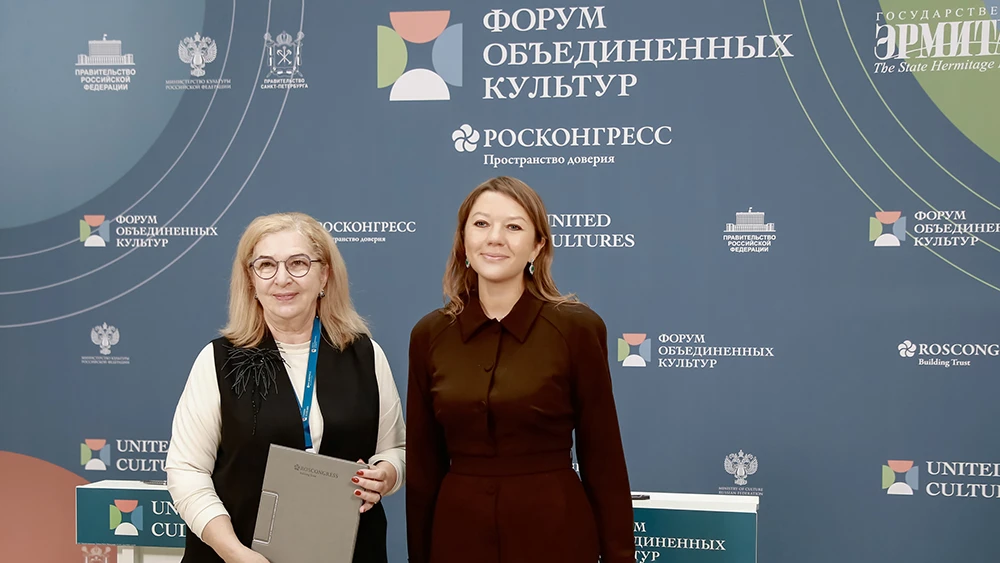
The agreement marks the beginning of a joint journey for the two cultural institutions.
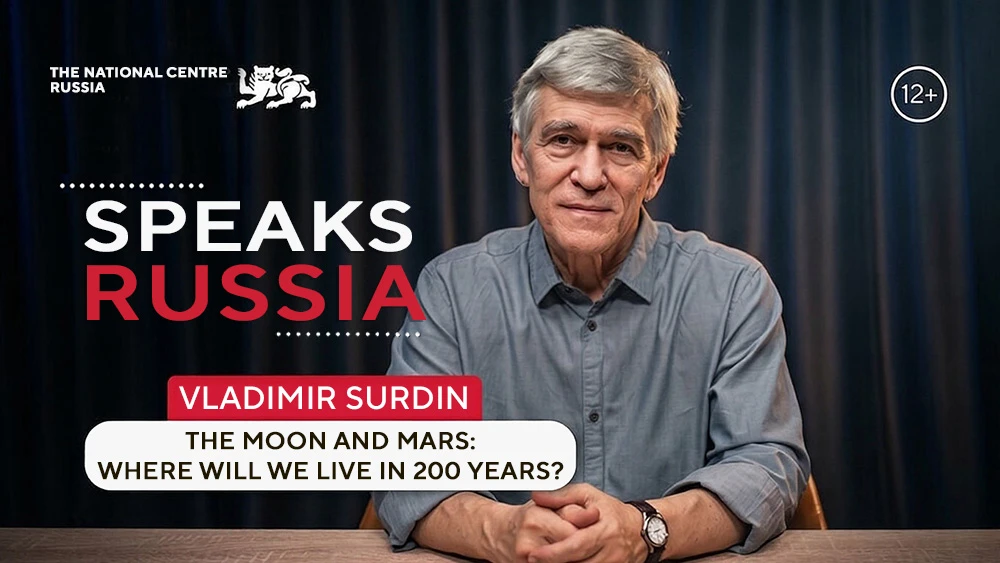
A new episode of the "Russia Speaks" podcast, "The Moon and Mars: Where Will We Live in 200 Years?", has been published on the National Centre RUSSIA website.
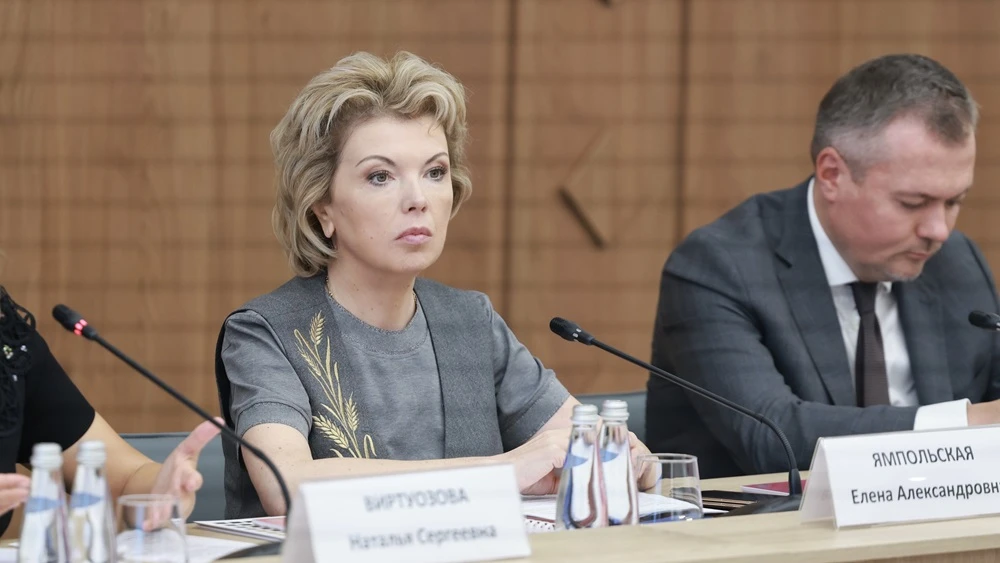
The latest meeting of the board of the Council under the National Centre RUSSIA for the Development and Promotion of a New Russian Style in Public Spaces was held at the National Centre RUSSIA on 23 September.


