


The power of craft: the ways to preserve legacy for the future discussed at the "Inventing the Future" Symposium
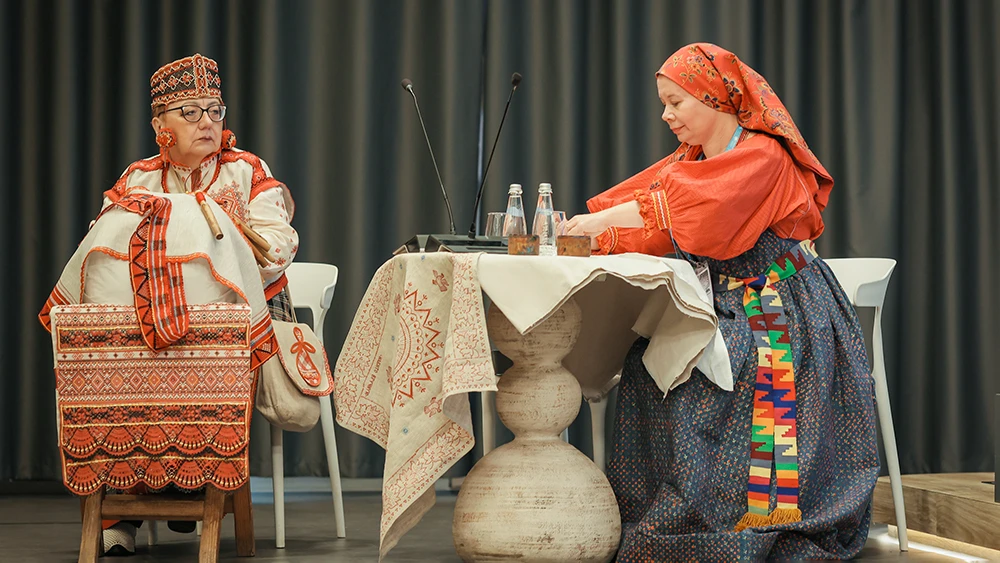
In an age of overproduction and affordable goods, handmade objects are becoming more valuable. How can we pass on to future generations the skills needed to make these objects, beyond simply handing down the objects themselves? This was the question discussed at "The Power of Craft: Preserving Heritage for the Future", a discussion and performance held on 13 November at the National Centre RUSSIA as part of the III International Symposium "Inventing the Future".
The session explored how to keep traditional crafts alive and in demand, using the National Centre RUSSIA as an example. The Department Store, the Centre's flagship project, was conceived as a place where visitors can see the products of these crafts, handle them and take them home. It brings together the finest pieces by artisans from across the country, which cannot be found on any online marketplace.
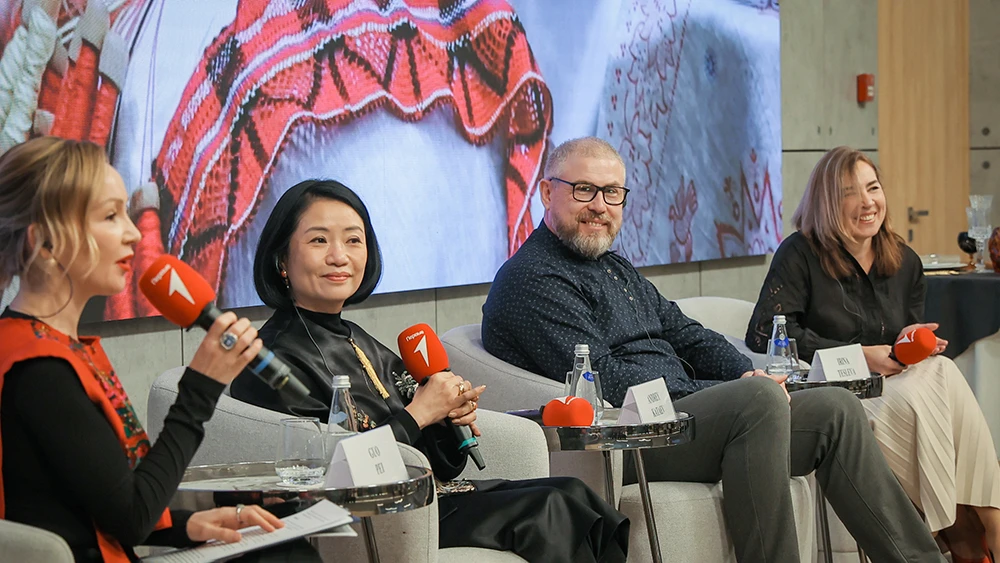
"The Department Store was conceived as a place where people can discover the variety of folk crafts, buy and handle the pieces, and find inspiration in them. A craft only stays alive if there is demand for it every day. We want designers in Russia and around the world to see the variety of our embroidery and lace, draw inspiration from them and use them in their own work. For us, the Department Store is a showcase for the best of what artisans make. Why does a craft survive? Because it's beautiful, and beauty never dies," noted Natalia Virtuozova, Director General of the National Centre RUSSIA.
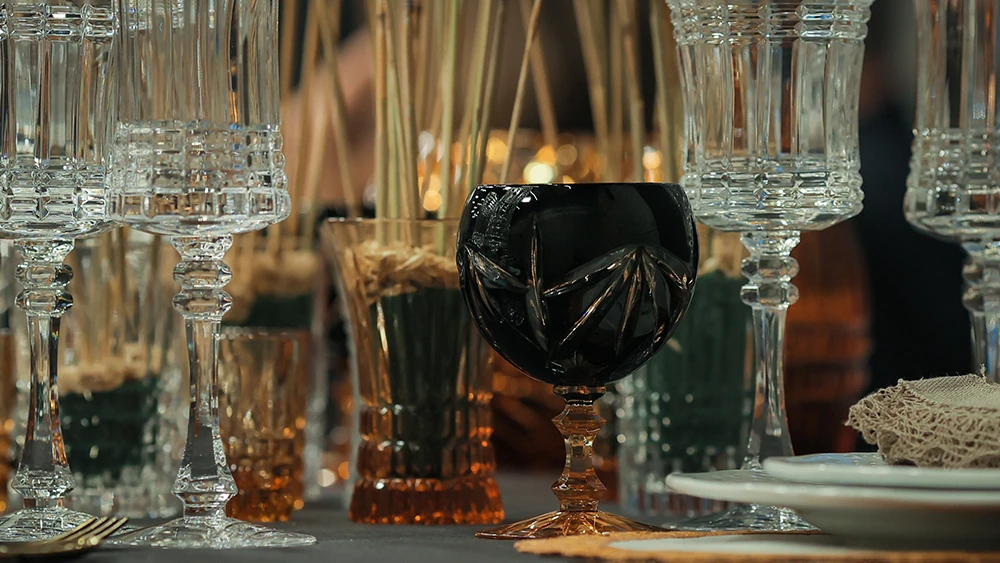
Natalia Virtuozova cited the Gus-Khrustalny factory as an example of this dialogue with customers. Founded in tsarist times, the factory had made clear crystal for decades. A customer asked for honey-coloured crystal, and that request led to a range that is especially popular today. Natalia Virtuozova said it was important to go beyond selling products and help the crafts evolve. By listening to customers, manufacturers keep traditions alive and make them more sought after in everyday life.
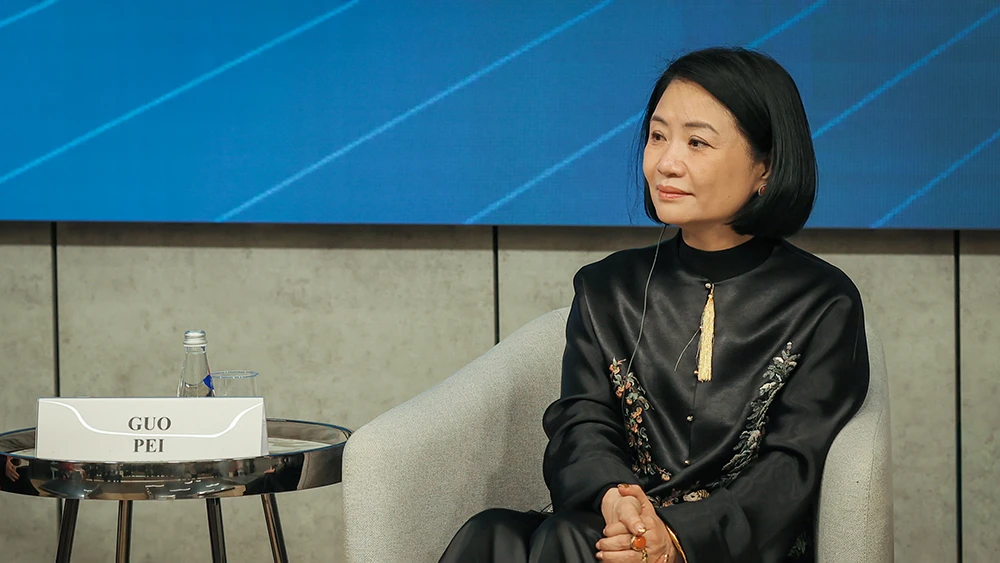
The discussion on craft extended beyond Russia. It also featured Chinese couturier Guo Pei, founder of Rose Studio and the Guo Pei haute couture house. She said that preserving traditional crafts and handwork was as pressing an issue for China as it was for Russia.
"In this industrial age, artificial intelligence is widely used. It continues to develop and is being applied in every field. This is happening in Russia, China and other countries. I've visited many countries, and in all of them people are saddened to find that traditional craft skills seem to be slipping away from us and are being used less. Yet handwork is precisely what expresses human creativity and wisdom, because the hand and the heart are connected. So the most important thing in this period of industrialisation and advances in AI is to teach people to love handmade work. Everyone should understand how handmade objects make us feel and that the maker puts meaning into the work as well as making it by hand. Machines and artificial intelligence cannot replace that," emphasised Guo Pei.
Guo Pei said she had managed to visit more than six museums in three days in Russia and was still learning. Throughout her long career, she has studied Chinese traditions of handwork as well as crafts from other countries. She said that alongside keeping traditions alive across generations, it is important to understand what will be popular tomorrow.
"Cultures can no longer exist in isolation. We are all closely connected and can learn from one another. There's a Chinese saying that no mountain or river truly divides humanity into East and West. There is no such boundary. We are one family, we are one species, and we are all part of the future we share," noted the couturier.
Guo Pei said she had long wanted to visit Russia and was delighted to have made the trip. She hopes to bring her work to Russia in the future and tell the stories behind it.
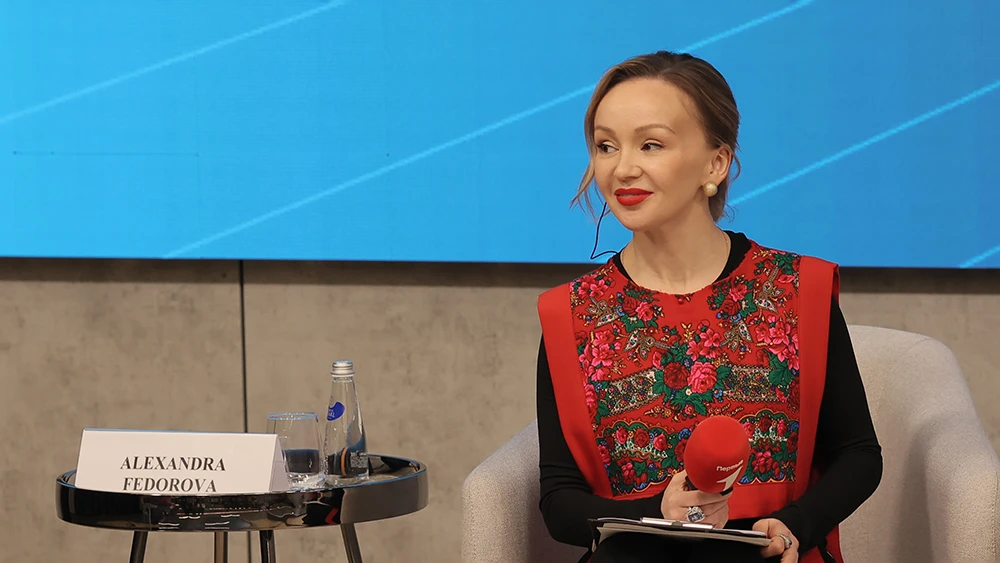
The session was moderated by Alexandra Fedorova, a producer, cultural strategist, lecturer and creator of the project "New Russian // Cultural Code". Alexandra Fedorova noted that interest in handmade objects is growing in Russia and around the world. These are pieces that hold stories and traditions and have long waited for their moment behind glass cabinet doors. Crystal from Gus-Khrustalny, Zhostovo trays and other traditional craft pieces are going from family heirlooms to fashionable objects that appeal to young people and a wider audience, finding a place in contemporary interiors, homes and designers' work. Every year, more people seek out these crafts, which need support, revival and promotion to stay current, relevant and fashionable.
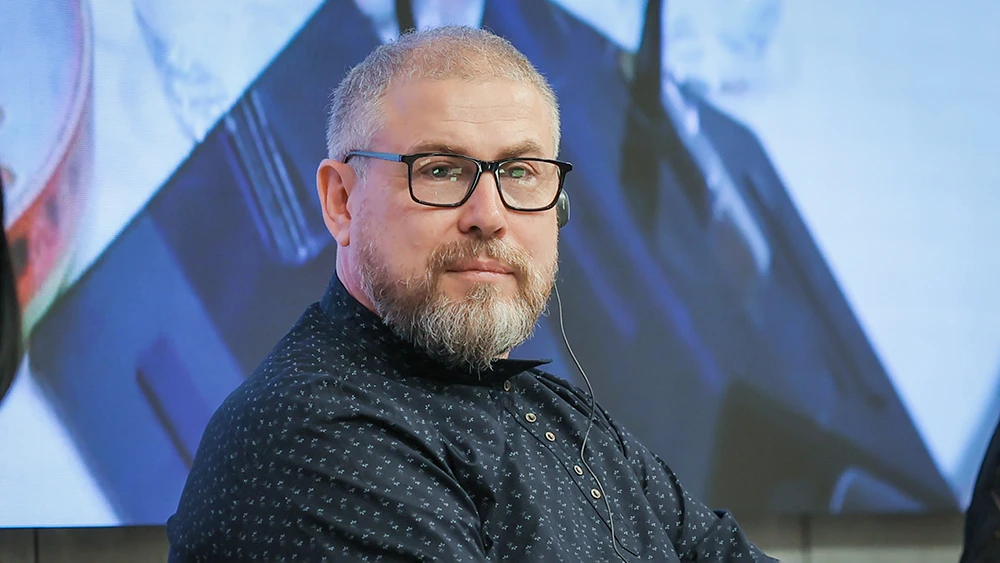
Andrei Katayev, an entrepreneur and expert in tourism and regional development, explained how a craft can be brought back from obscurity. After moving to Veliky Novgorod, Andrei Katayev discovered something unexpected. The Novgorod Region, where the 'Russian land began', had no surviving folk tradition of decorative painting. He found the answer in antique spinning wheels, which led him to the lost tradition of Tesovo painting, with its birds and tree of paradise. The craft is now being revived. Those involved are gathering examples from museums and school collections, finding artisans and having the pieces assessed by art specialists. In 2023, Tesovo painting was officially recognised as one of the region's traditional folk arts and crafts.
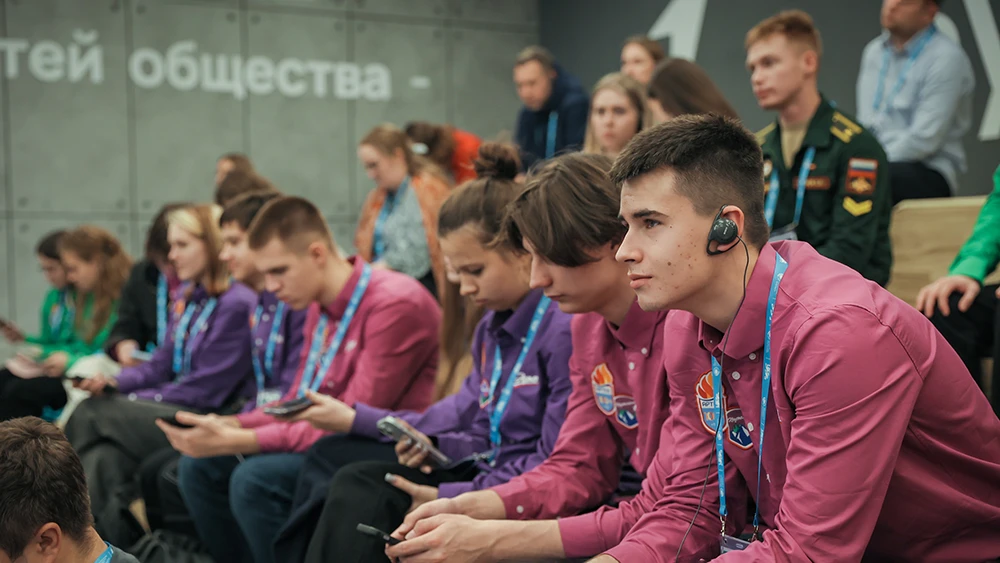
"You immerse yourself in the culture. Novgorod's antiquity makes an impression on you, but when you start working on the ground and come to understand how the people before us lived and spoke, you realise how much depth there is to it all. The spinning wheel depicts paradise — the tree of paradise, a pomegranate and birds of paradise. That enriches you straight away. You talk to art historians and folklorists and discover devotional verses connected with this style of painting. And you begin to see life differently. You see all its layers and colours," said Andrei Katayev.
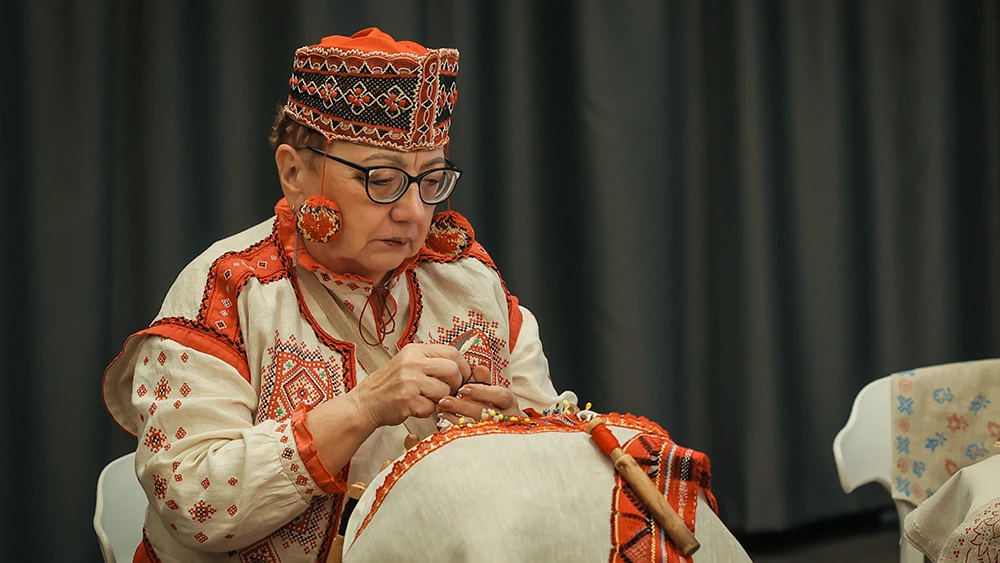
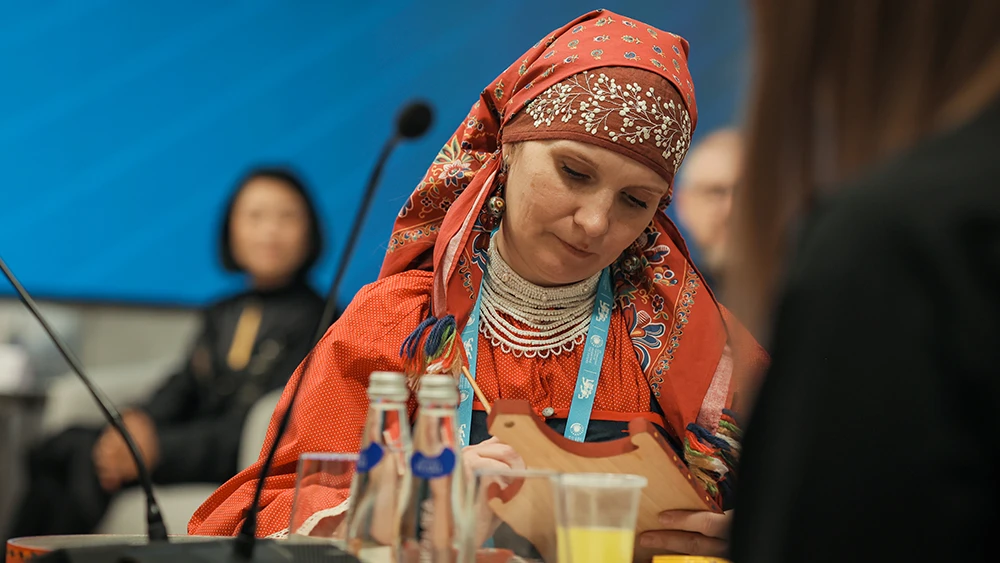
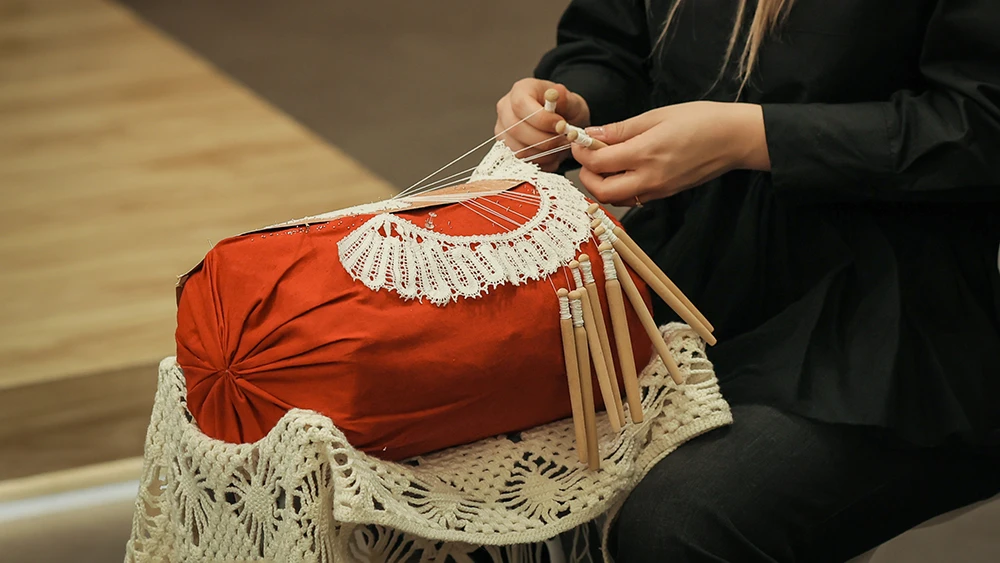
Traditional artisans also took part in the event. As the discussion went on, they made original pieces in front of the audience. By the end of the session, guests could see the finished work and get to know the cultures of different regions through the pieces themselves as well as through the discussion.
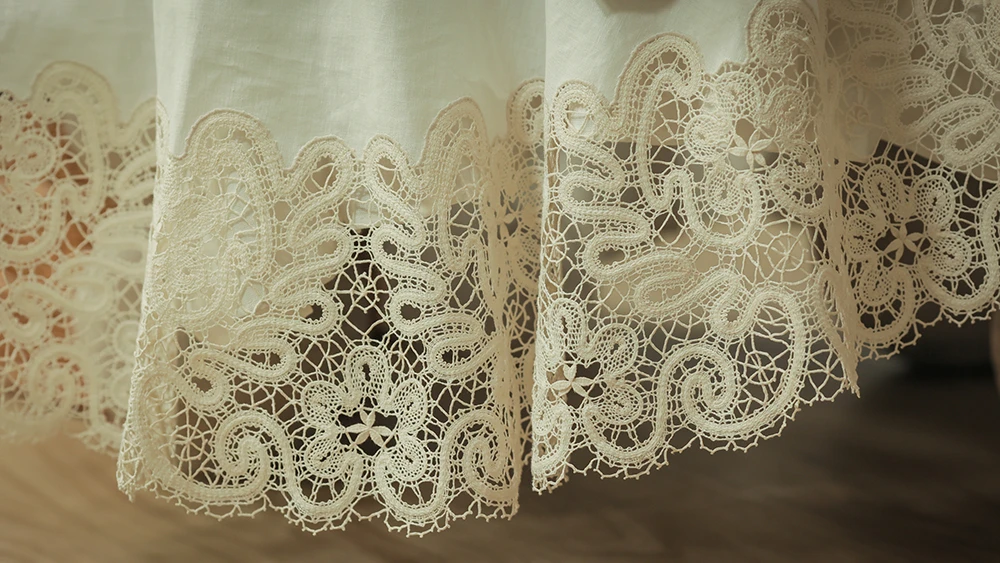
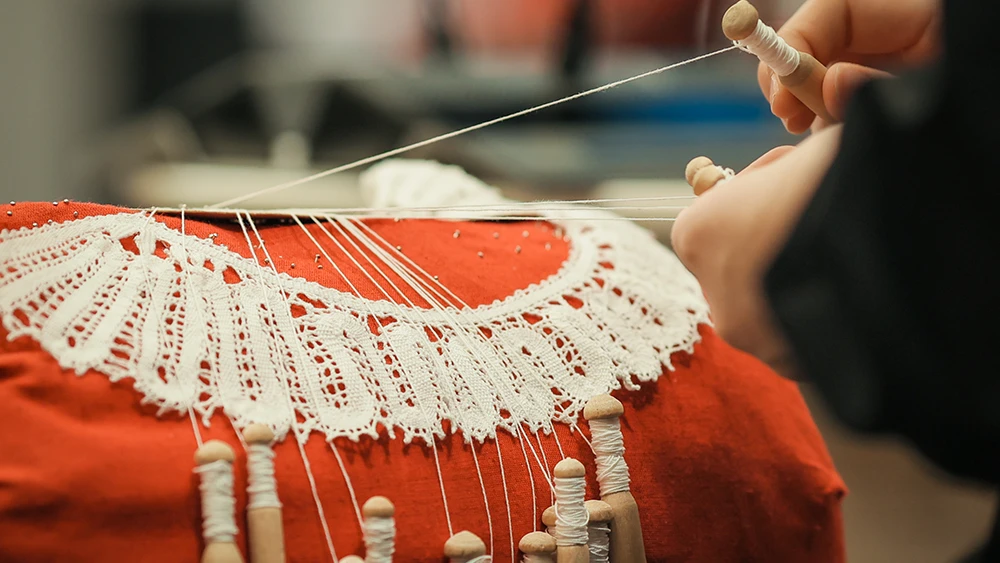
Four women demonstrated their skills. Tatyana Presnova, People's Artist of the Russian Federation and winner of the "Soul of Russia" Award, presented Mikhailov lace. Alexandra Umetskaya, a member of the non-profit "Guild of Master Spinners" and a specialist in spinning and wood painting, demonstrated Tesovo painting. Young artisan Inna Pushkareva demonstrated Kukarka lacemaking.
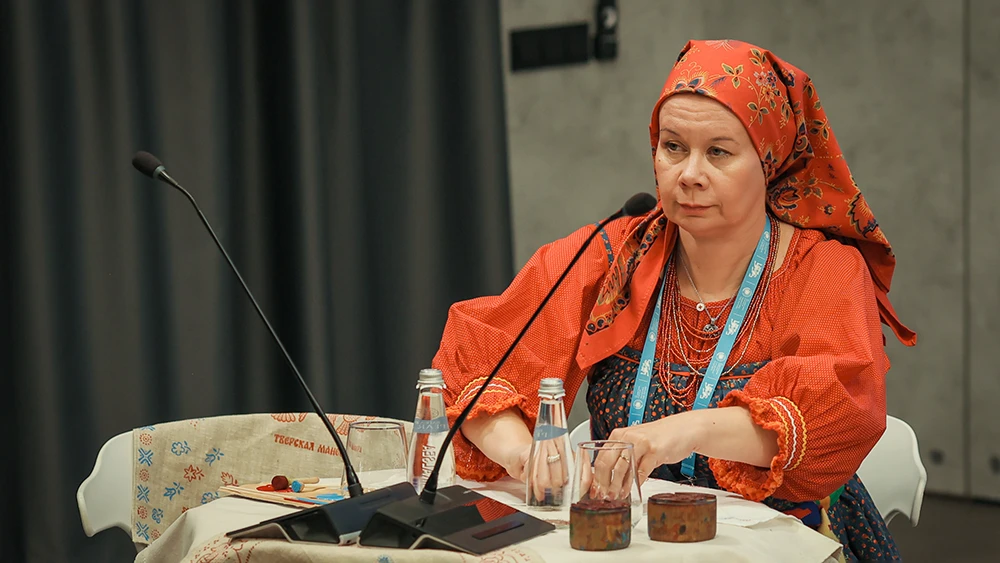
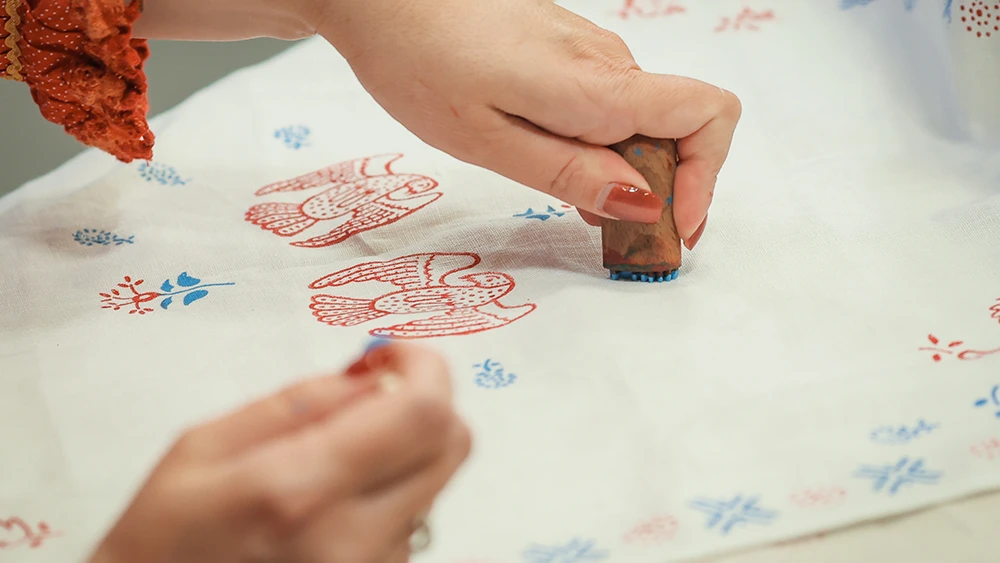
Dina Yeliseyeva presented Tver block printing, a traditional folk craft that involves printing patterns by hand onto fabric using carved wooden blocks. Dina Yeliseyeva said the art was widespread in the Tver Governorate from the 18th to the early 20th century and was lost during the Soviet era. Thanks to the efforts of many people who care about it, the craft is alive again today.
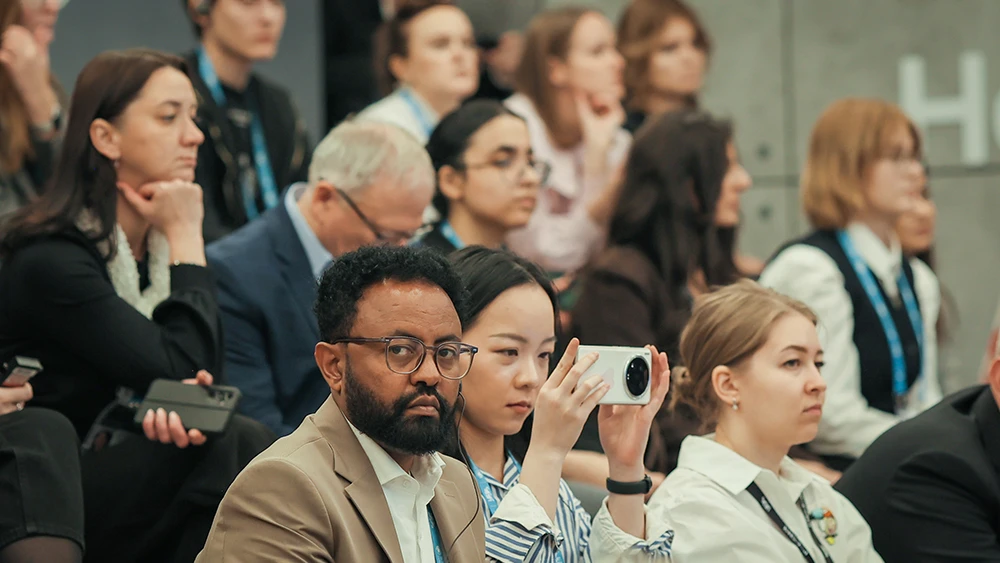
"The most important thing is that all folk crafts are beautiful. We can talk for a long time about how they're part of our history and culture, and they really are beautiful. It's easy to bring them into modern life. They have a life beyond the museum shelf. We make things that people can wear and use right now, in the 21st century," stressed Dina Yeliseyeva.
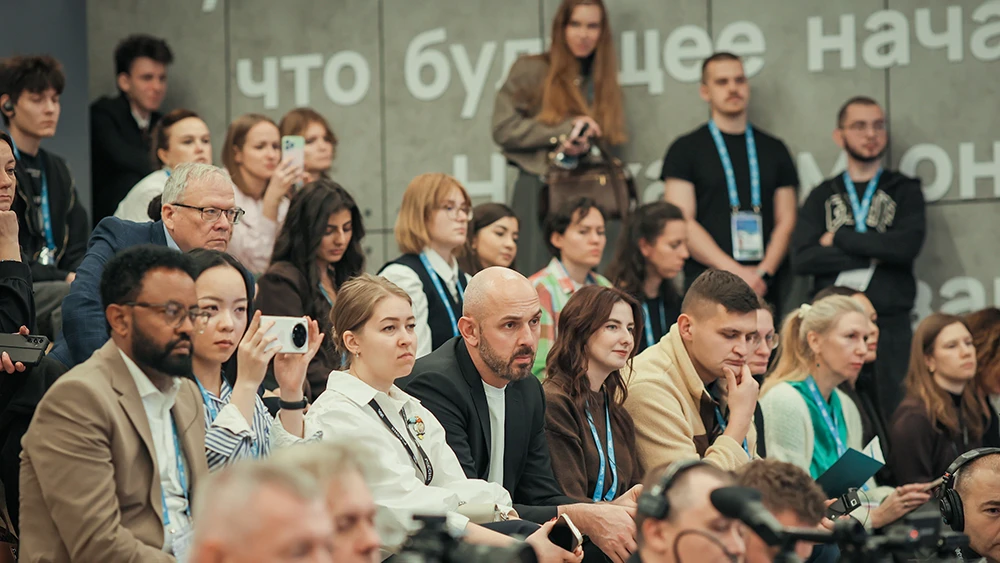
The III International Symposium "Inventing the Future" is being held on 12–13 November at the National Centre RUSSIA and brings together more than 8,000 participants from 109 countries. The event was organised on the instructions of the President of the Russian Federation, Vladimir Putin, under the auspices of the Decade of Science and Technology, with support from the Ministry of Foreign Affairs of the Russian Federation and the Ministry of Science and Higher Education of the Russian Federation.
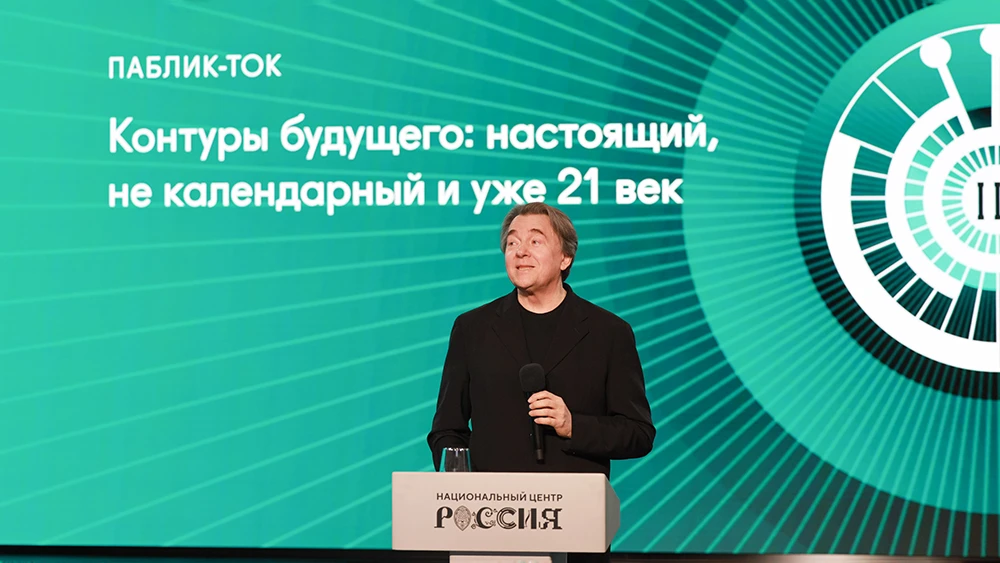
The talk was held on 13 November as part of the "Human and Values" track.
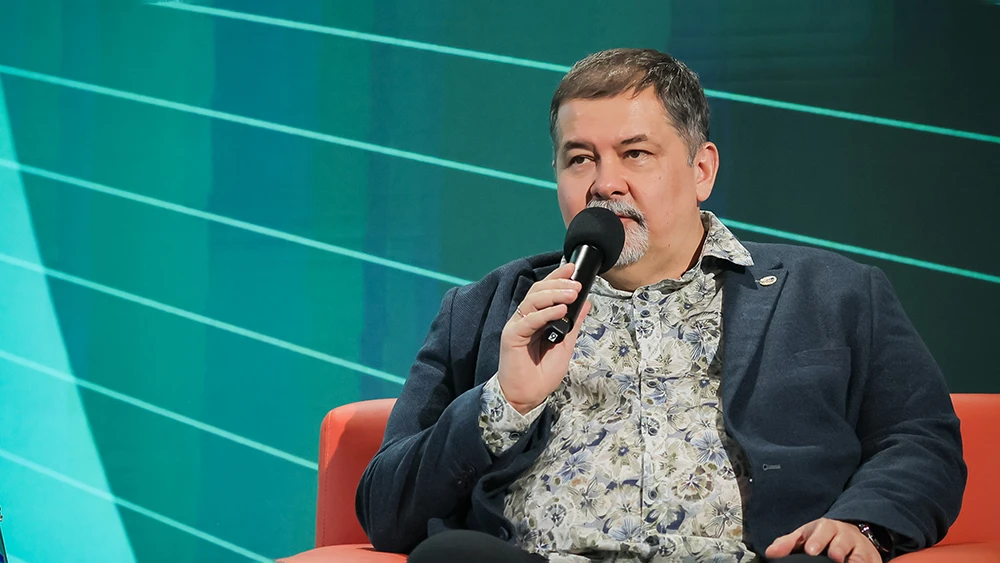
The ceremony for the II All-Russian Science Fiction Literary Award will take place on 13 November at the National Centre RUSSIA as part of the III International Symposium "Inventing the Future".
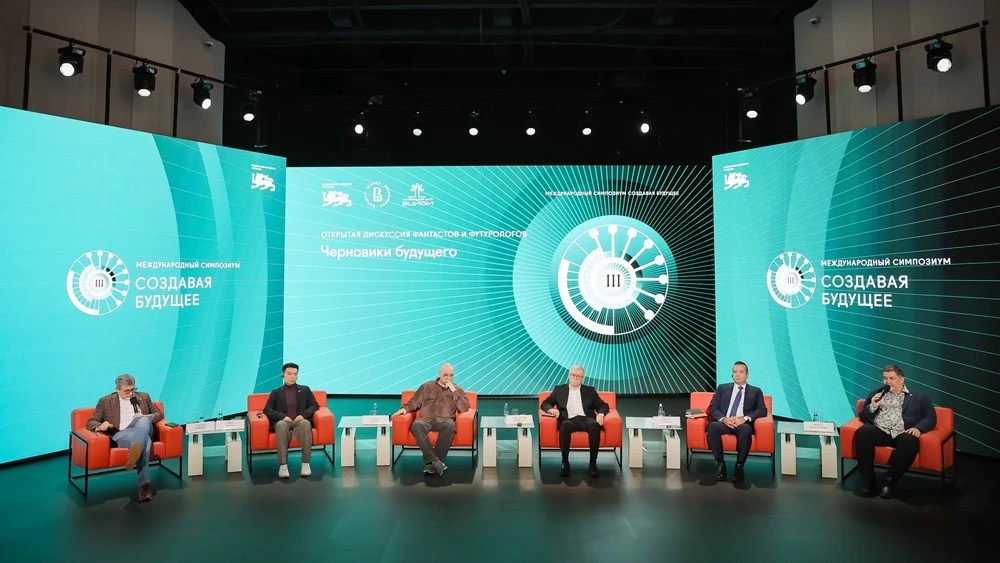
The event was held on 13 November as part of the "Human and Values" track of the III International Symposium "Inventing the Future".


