Tatyana Golikova: "A healthy family is the foundation of a strong Russia"
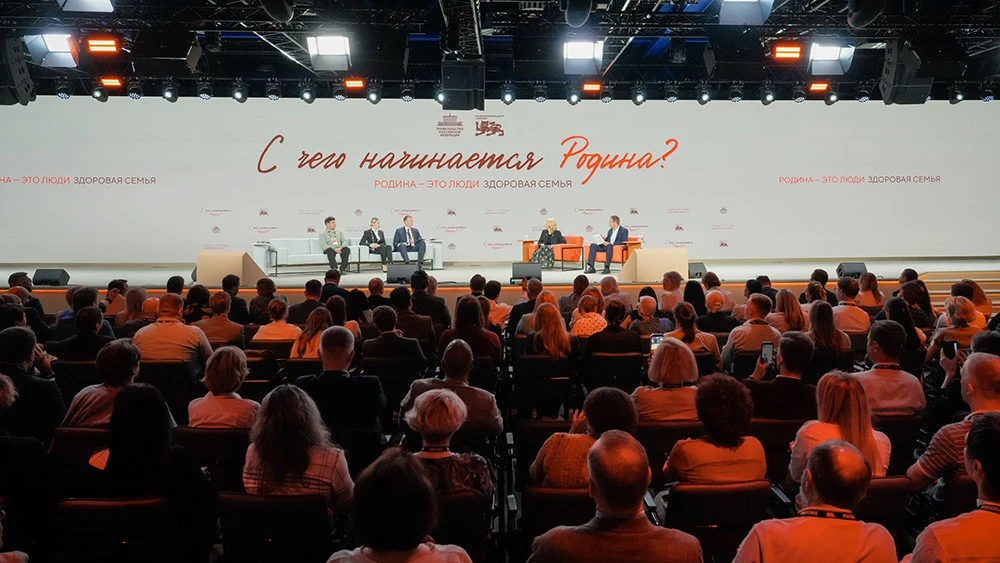
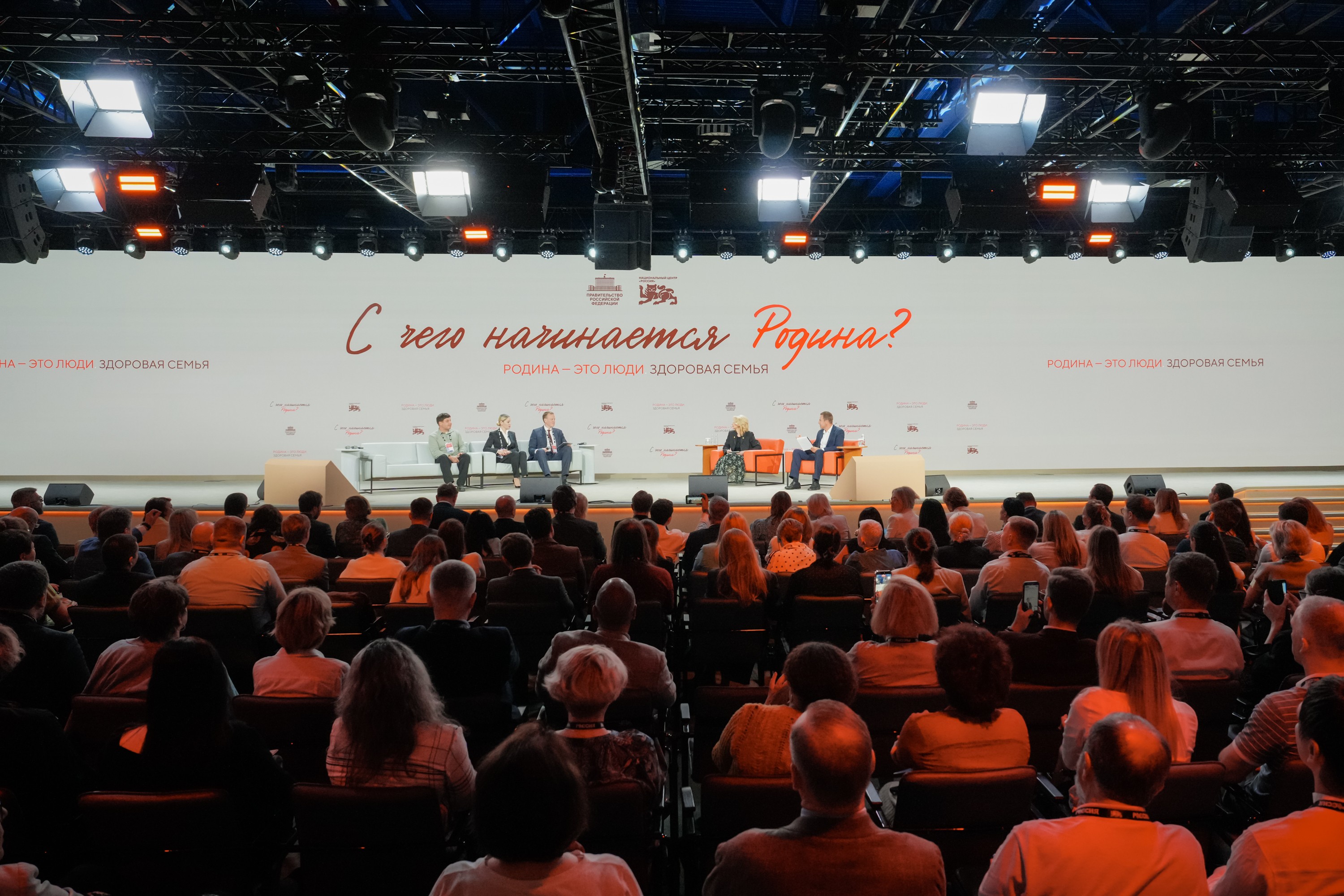
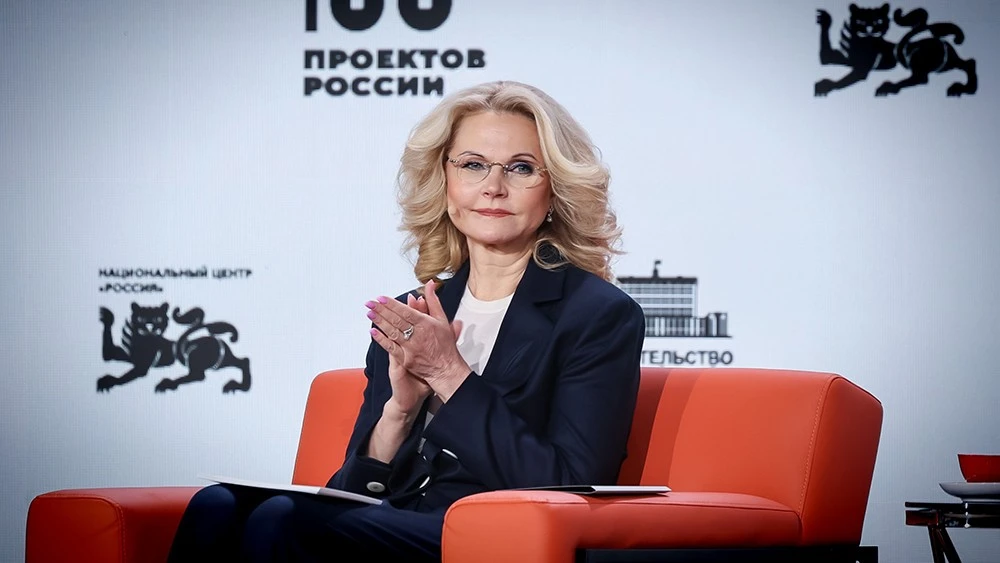
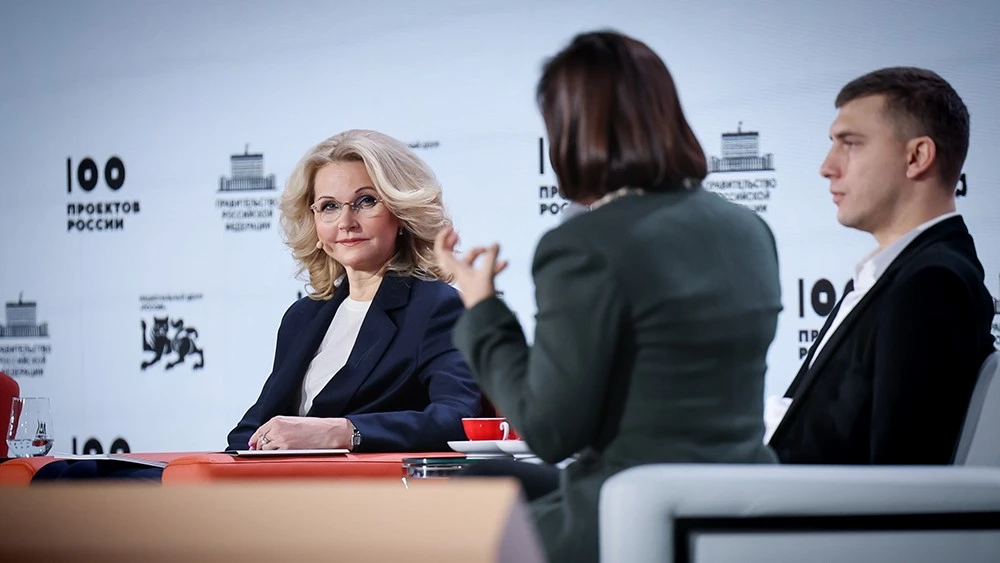
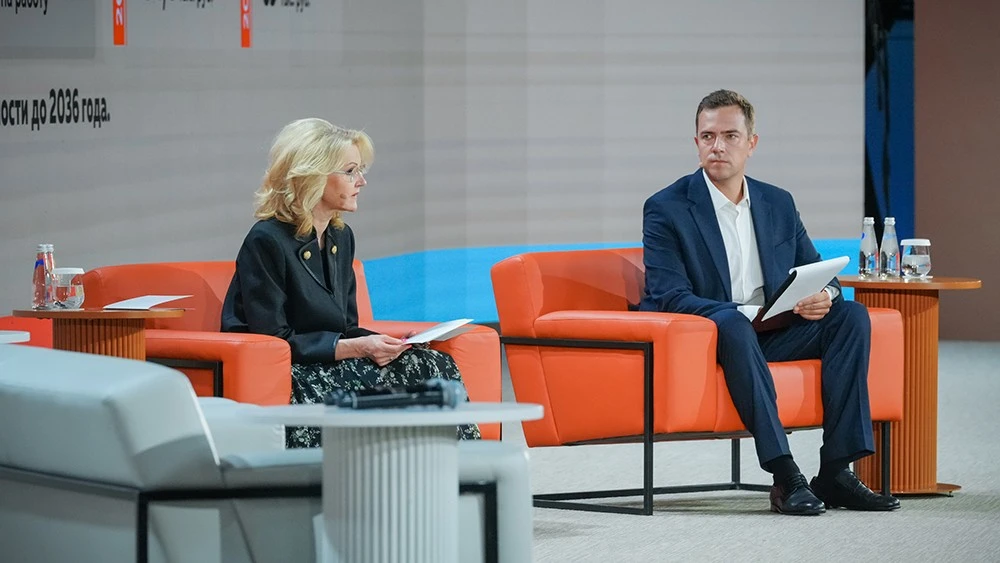
The first meeting in the "The Motherland Is Its People" series took place at the National Centre RUSSIA on 21 July as part of the nationwide project "What Does the Motherland Begin With?" The event focused on the theme "A Healthy Family" and featured Tatyana Golikova, Deputy Prime Minister of the Russian Federation. The discussion centred on the key priorities of state policy aimed to strengthen the wellbeing of families and society. Participants explored three strategic areas: creating conditions for having and raising children; promoting employment, professional fulfilment and human potential; and improving the healthcare system, including preventive medicine and the introduction of innovative technologies.
"Our President has described Russia as a 'family of families' and has repeatedly stressed that supporting families with children is one of the country's highest priorities. He has also said that the large family should become the norm, a model to follow, a philosophy of life and a guiding principle of the whole state policy. Today, there are around 24 million families in our country, approximately 16 million of which are raising children. More than three million families have three or more children. Over the past five years, the number of large families has increased by almost one and a half times. A healthy family is not only about physical health, important though that is. It is also about everything that matters to every member of the family — children's education and development, stable employment and opportunities for parents to fulfil themselves professionally, as well as care and an active life for the older generation. Our main goal, therefore, is to create conditions in which every Russian family can look to the future with confidence, knowing that the state stands behind them," said Tatyana Golikova.
The Deputy Prime Minister recalled that these priorities formed the basis of the Strategy for Implementing Family and Demographic Policy and Supporting Large Families in the Russian Federation until 2036. According to her, the document is designed to strengthen the institution of the family, increase the birth rate, improve families' quality of life and create favourable conditions for children's development. It was prepared with the participation of demographers, experts, regional authorities and representatives of the parent community.
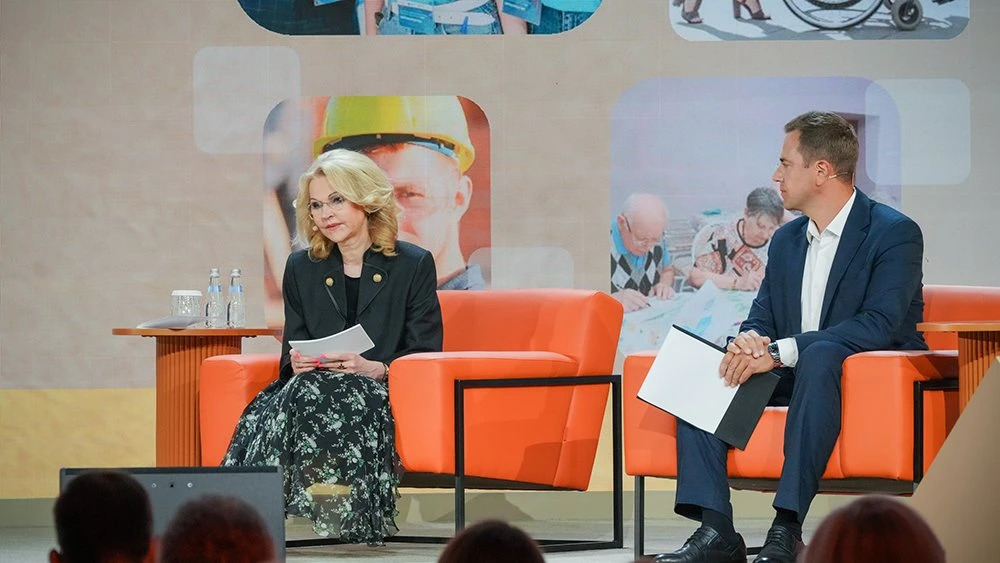
She noted that the state continues to expand support measures for families with children. According to Tatyana Golikova, a unified legal status for large families has now been established at the federal level, while in 50 regions support measures are provided regardless of household income. This year, a new family tax payment was introduced, from which parents of more than 2.2 million children have already benefited, with over one million payments awarded. Particular attention is being given to young families. Student families now have official legal status, 365 mother-and-child rooms have been opened across 252 higher education institutions, and maternity benefits for female students and postgraduate researchers have been increased.
The Deputy Prime Minister also stressed that federal demographic support programmes are already producing tangible results. In June, the total fertility rate increased in 20 regions, with the strongest growth recorded in the Nizhny Novgorod Region, the Ryazan Region and the Chukotka Autonomous Area. In addition, 15 regions reported an increase in the number of third and subsequent children, with the Nizhny Novgorod and Ryazan regions again among the leaders.
"Over the past three years, the number of large families in the Ryazan Region has grown by 20%, while the number of student families has increased by almost one third. We have managed to reverse the decline in the birth rate, and that is a very significant achievement. We try to view every decision through the eyes of a family. We have brought together everything that affects the family's quality of life — healthcare, education, social protection, culture, sport, urban development and other areas — into a single ecosystem. We have also created a unified support pathway, from the birth of a child through to old age. At every stage, families receive the assistance they need," said Governor of the Ryazan Region Pavel Malkov.
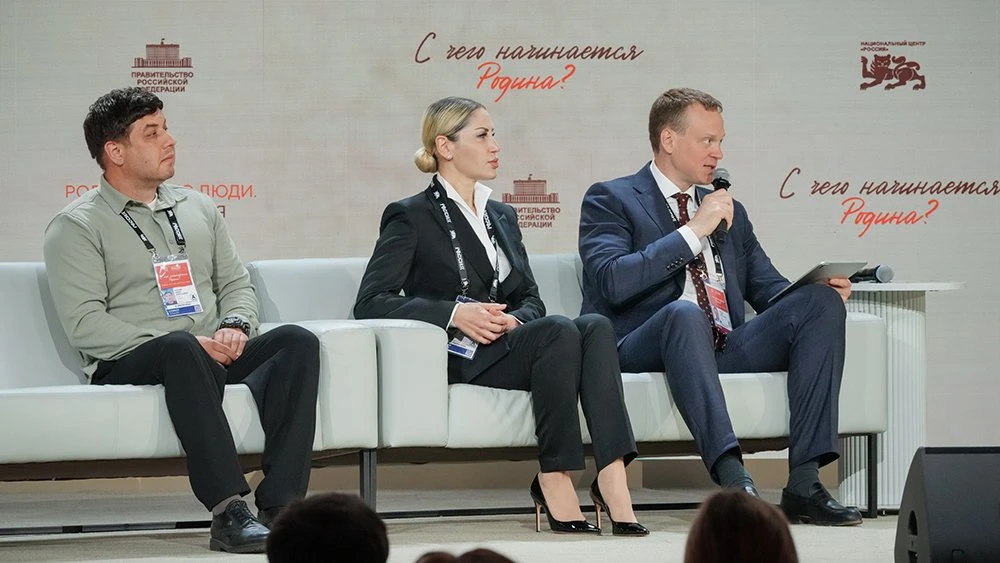
As part of the programme, guests heard from the Kurayev family, a large family spanning three generations. Yefim and Olga are raising eight biological children, while both spouses themselves grew up in large families. Their brothers and sisters are also parents of large families, making a big family not a coincidence but a long-standing family tradition.
Yefim and Olga Kurayev shared how parenting evolves in a large family, what happiness as parents means to them, and how their children contribute to the family confectionery business, where desserts are made using recipes passed down from generation to generation. The family is also actively involved in charitable work and community life and believes that care and warmth are the true recipe for family happiness. Asked how they manage everything, the couple replied that the most important thing is not to be afraid and to believe in your own abilities. They also emphasised the invaluable support they receive from the state and their relatives.
A separate part of the discussion focused on support for participants in the special military operation and their family members. Tatyana Golikova stressed that this remains one of the government's key priorities. A unified support standard has been introduced for this group, alongside free retraining programmes covering 213 professions, including 27 designed specifically for veterans. Employment support measures are also available, including subsidies for equipping workplaces. In addition, employment assistance forms an important part of this work. Since 2023, Russia has been modernising its state employment service, and by the end of this year a network of modern Work of Russia employment centres will be operating in 60 regions. As a result, the average time taken to find a job has already fallen by 41%.
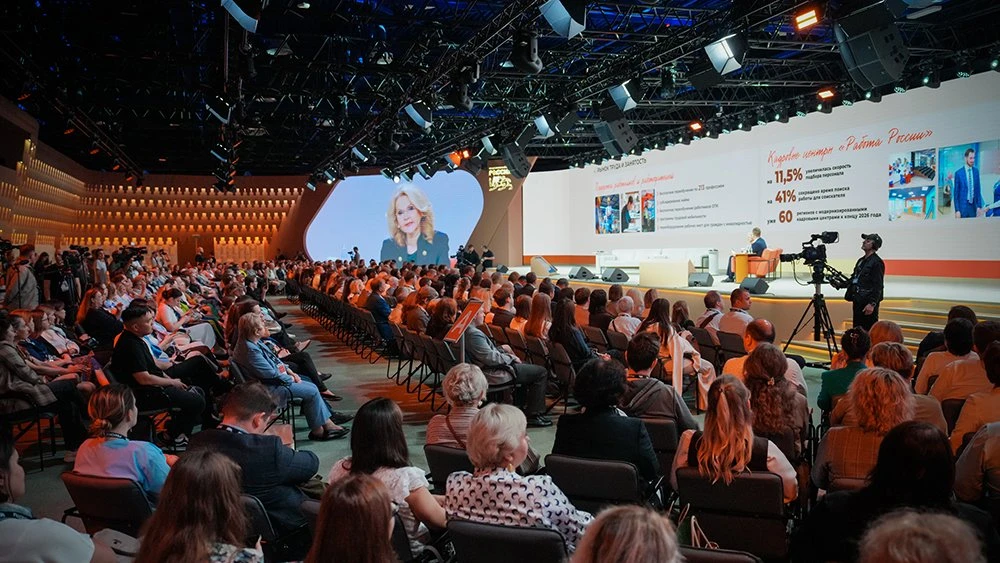
Another key topic of the meeting was healthcare and access to medical services. Tatyana Golikova outlined the current structure of Russia's healthcare system and emphasised that disease prevention remains its central priority.
"One of the highest priorities in healthcare has always been prevention, and today we continue to place it at the heart of our work. It is one of the most important tools for identifying both risk factors and diseases themselves at an early stage. By the end of 2025, the number of citizens who had undergone preventive health examinations had increased by one and a half times compared with 2019, the last pre-pandemic year. What lies behind these figures? They mean a better diagnosis and a greater number of people who can receive medical care before conditions become more serious. We carry out these preventive examinations at educational institutions, workplaces and healthcare facilities," Tatyana Golikova continued.
The Deputy Prime Minister also reported that more than 1.7 million people now receive high-tech medical care each year. She noted that, in 2025, Russia completely eliminated the waiting list for haematopoietic stem cell transplantation for children. According to the World Health Organization, survival rates for children with cancer now exceed 83%, reaching 98% for certain types of cancer. She also highlighted that, thanks to the development of medical rehabilitation and the establishment of two world-class children's rehabilitation centres, more than two million children received rehabilitation assistance during 2025.
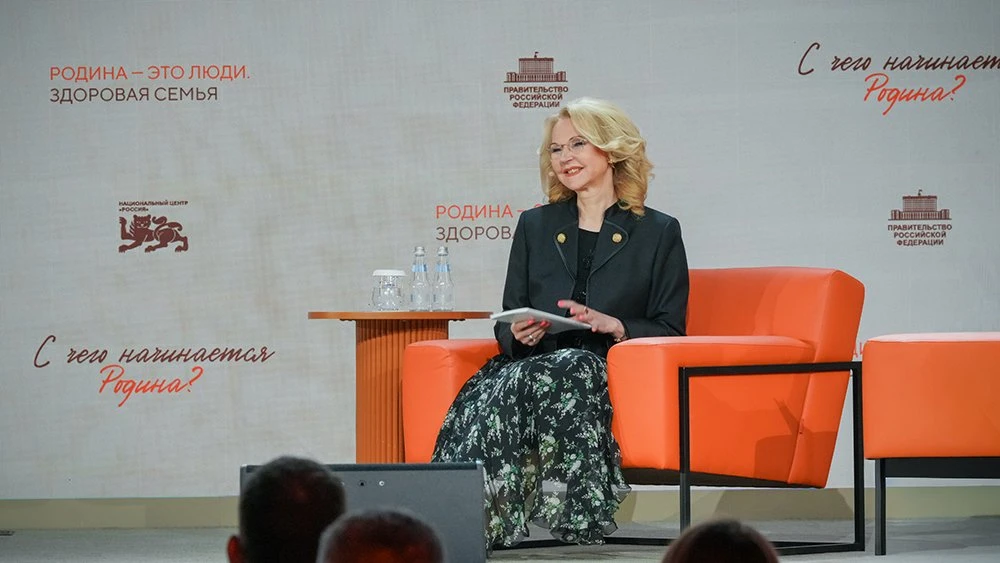
"None of these projects or initiatives would be possible without the people who bring them to life. It is thanks to them that we are achieving the results we see today. Success always depends on working together with society, with parents, grandparents and families, so that we truly understand what is important and what is needed to help our country — our Russia — continue to develop," the Deputy Prime Minister concluded.
The meeting with Tatyana Golikova opened a series of seven thematic events under the name "The Motherland Is Its People." The series places people, families and the conditions necessary for a fulfilling life at the centre of discussion and forms the second stage of the nationwide project "What Does the Motherland Begin WIth?"
The "What Does the Motherland Begin With?" project, launched by National Centre RUSSIA, is designed to strengthen every person's sense of belonging to the country, regardless of ethnic background. The project is being held at the National Centre RUSSIA with the support from the Government of the Russian Federation during the Year of Unity of the Peoples of Russia, proclaimed by President Vladimir Putin. The programme consists of several stages involving members of the Government of the Russian Federation, heads of federal executive authorities, regional governors and opinion leaders. Further stages include the motivational open dialogues and lectures "The Motherland Is Service", as well as the "The Motherland Is Home" series of meetings devoted to regional development, the preservation of traditions and the unity of the peoples of Russia.