

Inventing the Future

Your region – Moscow?
Select your region from the list below
Opening hours: Tue-Sun from 10 a.m. to 8 p.m
Moscow, Krasnopresnenskaya Emb., 14

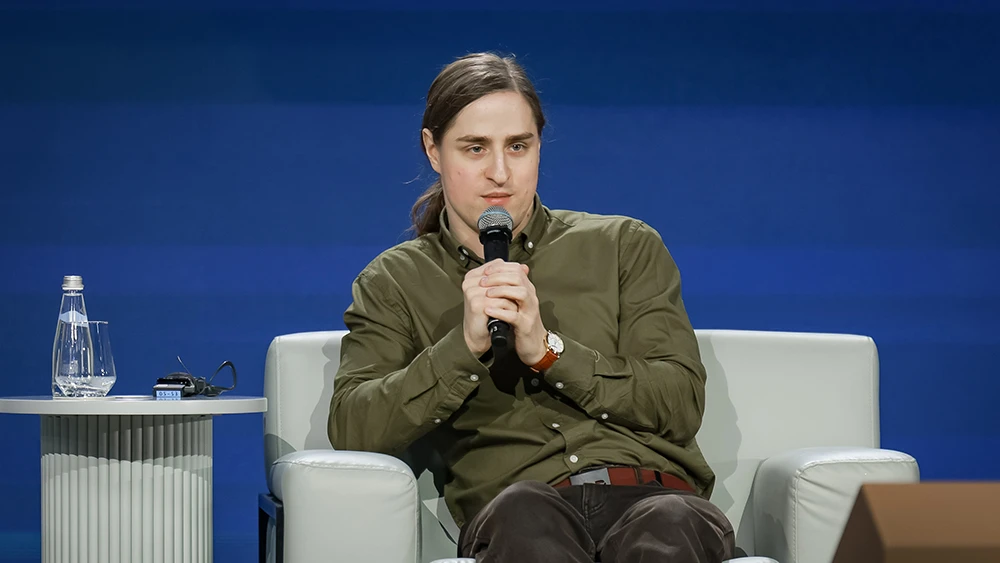
Vladimir Alipov: whether AI brings benefit or harm depends on how well we understand it
Vladimir Alipov: whether AI brings benefit or harm depends on how well we understand it
Photo: Ivan Semenets / Press Office of the National Centre RUSSIA
09.27

How has the relationship between people and technology changed — from the first tools to artificial intelligence? Physician and neuroscientist Vladimir Alipov discussed this on 26 September during the "Thinking Human" session of the Open Lecture Hall "Inventing the Future: Limits of the Human".

"I look to the future with optimism. Artificial intelligence is a tool just like all the technologies that came before it. Whether it brings us more benefit or harm depends on how well we understand its strengths and weaknesses," said Vladimir Alipov.

According to the expert, the human brain evolved alongside culture: the more complex the surrounding world became, the more new skills people acquired. Today, the pace of change has increased dramatically, with AI joining other digital technologies.

The key question now, therefore, is which tasks we are prepared to delegate to it. Routine work can be entrusted to technology, freeing up time for more complex tasks. But decision-making and independent thinking, Vladimir Alipov believes, should remain the responsibility of humans.

Watch the recording on our website, VK, Odnoklassniki or RUTUBE.
Possibly interesting
09.27
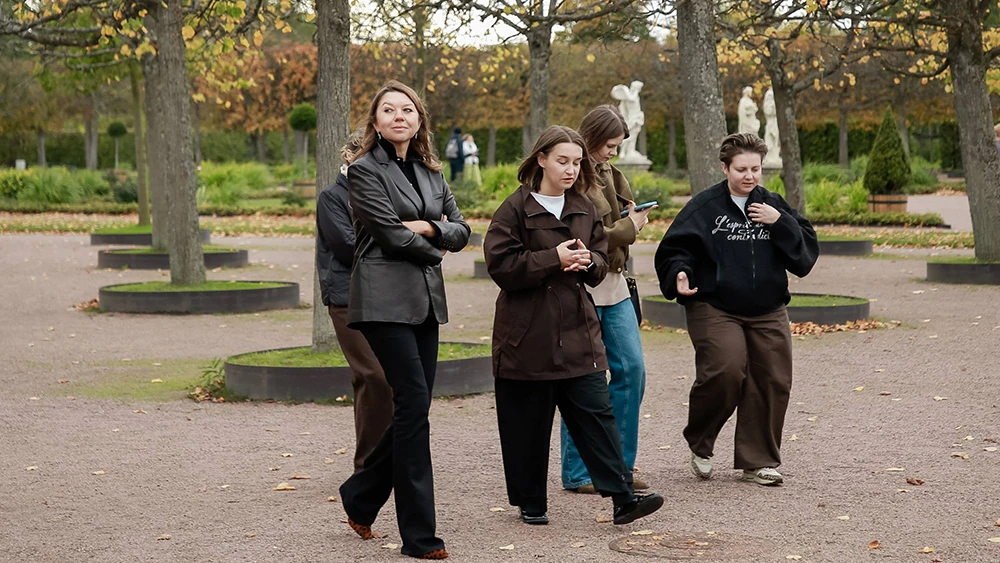
Natalia Virtuozova: the National Centre RUSSIA begins work on the concept for a park around its new building in Moscow
The National Centre RUSSIA is studying best practices for creating a landscaped park around its new building in Moscow.
09.26
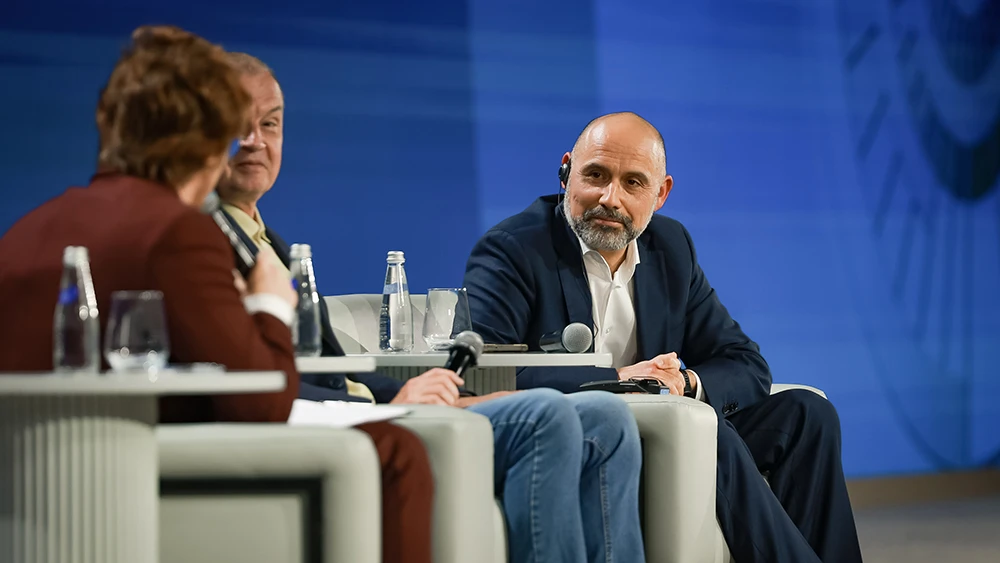
The Open Lecture Hall at the National Centre RUSSIA brings together leading international experts in neuroscience, psychology and artificial intelligence
Artificial intelligence can expand human capabilities, neurointerfaces can restore movement and vision, and the digital environment can provide access to knowledge.
09.26
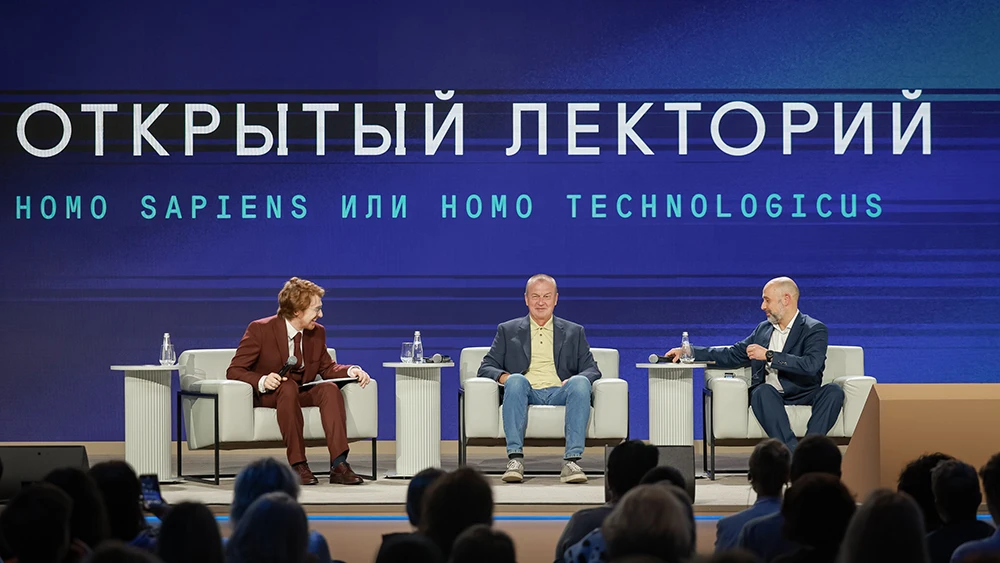
Homo sapiens or Homo technologicus: how neurointerfaces are changing the limits of the human
Neurointerfaces are already helping people who have lost the ability to move control a cursor on a screen and generate speech.
login to your Personal Account
Please, sign in to be able to save interesting materials and latest news.
Log in via social media
Or
Log in via email
Forgot your password?
Network account? Register
Пожалуйста, авторизуйтесь
Необходимо зарегистрироваться или войти в аккаунт
Назад
Recover
password
Please enter the email address you used when registering